
Table of Contents
ToggleWhen it comes to small living rooms, choosing the right paint color can feel like a high-stakes game of interior design. A splash of the wrong shade could turn a cozy nook into a claustrophobic cave. But fear not! The right paint color can transform your space from “meh” to “wow” faster than you can say “open concept.”
Imagine walking into a room that feels both spacious and inviting. With the right hues, it’s not just a dream—it’s a reality. Whether you’re leaning toward soft pastels or bold jewel tones, each color has the power to create an illusion of space and elevate your mood. Let’s dive into the world of paint colors that’ll make your small living room feel like a grand retreat, where every inch counts and style reigns supreme.
Overview of Paint Colors for Small Living Rooms
Selecting paint colors for small living rooms significantly impacts the perceived space. Light and neutral shades, such as whites, creams, and soft grays, create a vibrant and open atmosphere. These tones reflect light effectively, making walls appear further away.
In contrast, darker hues like navy blue or charcoal can add depth but may also make the space feel cozier or cramped. Choosing the right balance becomes essential for achieving the desired ambiance.
Soft pastels, including pale yellows or blush pinks, enhance brightness while maintaining a welcoming touch. They offer a sense of tranquility and freshness. Bold jewel tones, such as emerald green or sapphire blue, can serve as accent walls, providing dramatic flair without overcrowding the space.
Using two-tone painting techniques stands out as another effective strategy. This approach utilizes lighter colors on the upper wall sections and darker shades below, drawing the eye upward and creating an illusion of height.
Textures also play a pivotal role. Satin finishes or eggshell sheens reflect light and add a subtle sheen, enhancing the room’s vibrancy. Consider using a semi-gloss for moldings or trims for cleaner lines and enhanced contrast.
Incorporating color through accessories, such as cushions or art pieces, allows for flexibility without committing to permanent paint changes. This method encourages experimentation and personalization.
Exploring these color options helps individuals tailor their small living rooms to reflect personal styles while keeping the environment comfortable and inviting.
Choosing the Right Shades
Selecting paint colors for small living rooms requires careful consideration. The right shades can enhance perceived space and set the room’s overall tone.
Light Colors for Illusion of Space
Light colors work effectively to create an illusion of spaciousness. Whites, creams, and soft grays reflect natural light, making walls seem further away. These hues also promote a fresh and airy ambiance, making the room feel larger than it is. Spaces painted in light colors appear inviting, encouraging relaxation and comfort. Many designers recommend using soft pastels to maintain a warm and welcoming touch while ensuring brightness fills the room. Combining these light shades with reflective finishes amplifies their effect, enhancing vibrancy and openness. Ceiling colors also matter; painting the ceiling a light shade extends the vertical space further.
Bold Colors for a Cozy Atmosphere
Bold colors can infuse small living rooms with personality. Deep hues, like navy blue or charcoal, create warmth and depth, making the space feel intimate and cozy. Accent walls in these striking colors can draw attention and establish a focal point, enhancing the room’s overall design. Aged hues offer a sophisticated contrast when paired with lighter furnishings, adding balance without overwhelming the area. Decorating with rich jewel tones allows for creativity and drama while maintaining the cozy feel that many seek in a smaller space. Choosing satin or eggshell finishes for these deeper colors can soften the impact while keeping the space vibrant and visually appealing.
Popular Paint Color Trends
Exploring popular paint color trends reveals several options for enhancing small living rooms. Colors influence space perception and mood, making choices crucial.
Neutrals and Earth Tones
Neutrals, such as whites, creams, and soft grays, create a vibrant atmosphere. These shades reflect light, making walls seem distant. Earth tones, like taupe or beige, add warmth while maintaining an airy feel. A blend of neutral colors brings harmony, nurturing a calm environment. Using these shades on walls and ceilings enhances spaciousness and invites tranquility. When selecting finishes, satin or eggshell sheens amplify the effect of these colors, offering subtle brilliance. The understated elegance of neutrals and earth tones accommodates various decor styles, ensuring versatility.
Pastels and Soft Hues
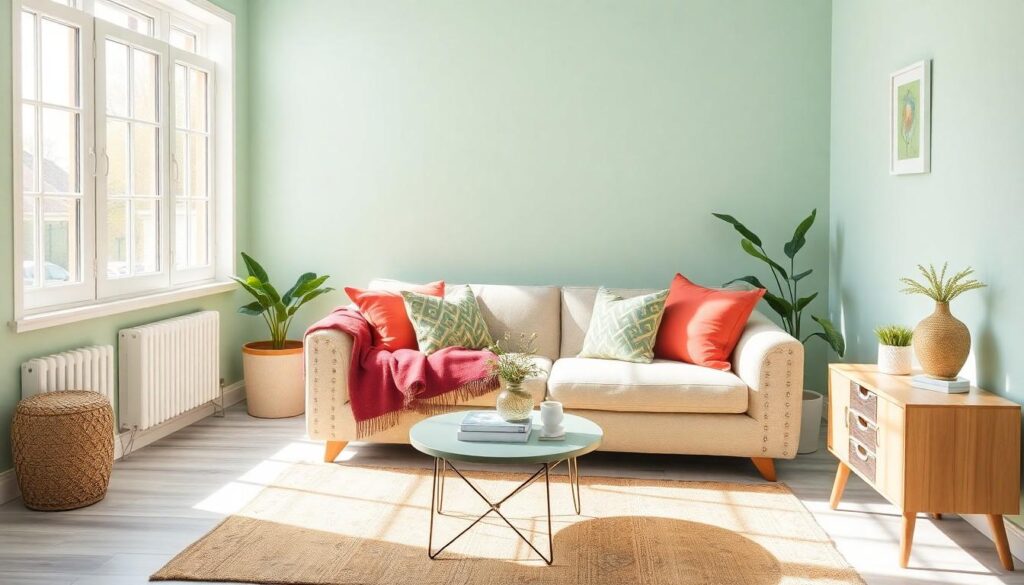
Pastel colors evoke a cheerful ambiance, perfect for small living spaces. Shades like soft pink, mint green, and baby blue enhance brightness and foster warmth. These hues create a welcoming vibe, inviting relaxation. Combinations of pastels with reflective finishes heighten luminosity, making rooms feel expansive. Utilizing soft colors on upper walls paired with bolder accents further defines the space without overwhelming it. The gentle nature of pastels adds softness, encouraging personalization through accessories and furnishings. Such colors adapt easily, making them suitable for any design scheme.
Tips for Selecting Paint Colors
Selecting the right paint colors enhances the overall appearance of small living rooms. Specific considerations can greatly influence the final result.
Considering Natural Light
Natural light plays a vital role in how paint colors appear. Rooms receiving ample sunlight often exhibit brighter hues, so light shades intensify this effect. Dark colors may seem more inviting in well-lit areas, crafting a cozy atmosphere. On overcast days, lighter tones can brighten the space, maintaining a cheerful vibe. It’s beneficial to test samples throughout the day to observe how variations in light affect color perceptions. Observing how sunlight interacts with paint can lead to better decisions that enhance the room’s overall appeal.
Coordinating with Furniture and Decor
Furniture and decor selections dictate suitable paint colors for small living rooms. Complementary colors create harmony within the space, fostering a cohesive look. For example, if a sofa showcases deep jewel tones, using a lighter paint color balances the richness, preventing overwhelm. Patterns in curtains or rugs may also provide inspiration for paint color choices. Individuals can draw from these elements to establish a unified design scheme. Consideration of existing pieces emphasizes personal style while ensuring visual flow within the room. Making choices that reflect furniture aesthetics elevates the space’s overall ambiance.