Table of Contents
ToggleHearing that constant chirping at night sounds charming until it’s 2 a.m. and you’re wide awake listening to a cricket symphony echoing through your bedroom. Once crickets move into a home, they’re not there just to serenade, they’re eating your fabrics, leaving droppings everywhere, and multiplying faster than you’d expect. If you’re dealing with a cricket infestation, you’re not alone. This guide covers everything homeowners need to know about cricket pest control, from spotting the problem early to choosing between DIY solutions and professional help. Whether you prefer natural methods or chemical treatments, we’ll walk you through the most effective strategies to reclaim your home.
Key Takeaways
- Early detection of cricket infestations is critical because a single female can lay hundreds of eggs, leading to explosive population growth within weeks.
- Effective cricket pest control combines multiple approaches: start with natural methods like diatomaceous earth and sticky traps, then escalate to chemical sprays or granules if needed within two weeks.
- Seal all gaps larger than ⅛ inch around baseboards, door frames, and entry points to prevent crickets from entering and to contain existing populations.
- Remove moisture sources by fixing leaks, improving ventilation, and keeping humidity below 50%, since crickets thrive in damp environments.
- If DIY efforts fail after three to four weeks or the infestation is severe, professional pest control services offer stronger treatments and expertise, typically costing $300–$800 for initial treatment plus follow-ups.
Why Crickets Are a Problem for Homeowners
Crickets might seem harmless at first, but an indoor population becomes a genuine household nuisance fast. Beyond the maddening noise, which peaks during mating season in late summer and fall, crickets damage clothing, carpet, upholstery, and even paper goods. They’re scavengers that eat almost anything: cotton fibers, wool, paper, and glue make them incredibly destructive to stored items and fabrics.
They also leave behind dark droppings that stain surfaces and can trigger allergies in sensitive individuals. Worse, once a small group establishes itself indoors, reproduction explodes. A single female can lay hundreds of eggs, and warm houses provide ideal breeding conditions year-round. What starts as one cricket chirping nearby turns into dozens or hundreds within weeks. This is why catching an infestation early is critical, and why prevention matters so much.
Identifying a Cricket Infestation
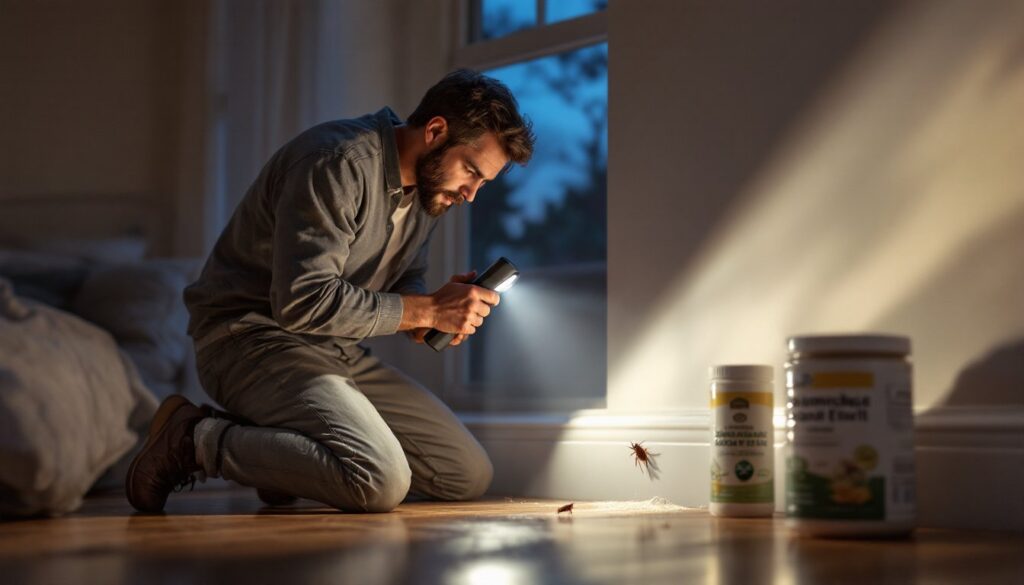
Before tackling a solution, confirm you actually have crickets and not grasshoppers or other insects. House crickets are small (about ½ to ¾ inch), brown or tan, with long antennae and flattened bodies. They’re most active at night, which is why you’ll hear them chirping in the dark but rarely spot one during the day.
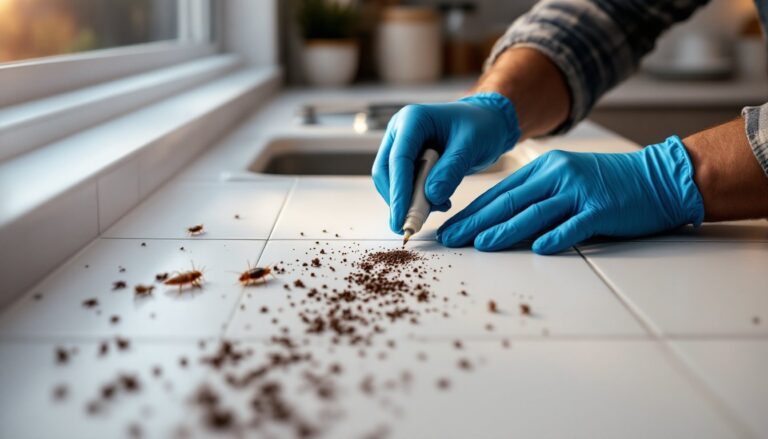
Look for these signs of infestation: constant chirping, especially at dusk and into the evening: small dark droppings on floors, windowsills, or in closets: holes or damage to fabrics, carpets, or stored clothing: and the insects themselves hiding in dark, damp corners like basements, crawl spaces, or under sinks. Dead crickets are also a tip-off. If you’re seeing multiple insects or finding dead ones regularly, you’ve got an active population. Once you’ve confirmed crickets are your problem, you can move forward with the right control method.
Natural and DIY Cricket Control Methods
Many homeowners prefer starting with natural solutions before moving to chemicals. These methods are safe around kids and pets when used correctly.
Diatomaceous Earth (Food-Grade)
Food-grade diatomaceous earth is a natural powder that damages crickets’ exoskeletons, causing dehydration. Dust it along baseboards, under appliances, in crawl spaces, and around entry points. Wear an N95 mask when applying to avoid inhaling particles. Reapply after vacuuming or sweeping, and especially after rain or moisture exposure, since moisture reduces effectiveness. This works slowly but consistently over one to two weeks.
Sticky Traps
Place sticky traps (unscented or lightly scented) in corners, along baseboards, and near known cricket activity. These don’t poison, they just catch insects so you can see where populations are heaviest and monitor activity. Check and replace traps every few days. They’re inexpensive and give you a clear picture of infestation severity.
Remove Food and Moisture Sources
Crickets are attracted to moisture and crumbs. Seal food in airtight containers, vacuum regularly, fix any leaking pipes or standing water, and improve ventilation in damp areas like basements. Remove clutter where crickets hide, old boxes, piles of papers, stored textiles. This alone won’t eliminate an established population, but it weakens conditions that support them.
Caulking and Sealing Entry Points
Caulk gaps around baseboards, door frames, window frames, and any opening larger than ⅛ inch. Pay special attention to where pipes or wires enter the house. Use acrylic latex caulk for most indoor gaps: it’s paintable and flexible as it cures. Seal foundation cracks in basements or crawl spaces with concrete caulk. This stops new crickets from entering and traps existing ones inside, making them easier to control.
Chemical Treatments and Pesticides
If natural methods aren’t working within two weeks, chemical treatments offer faster results. Always read labels completely, follow application instructions, and use PPE (gloves, eye protection) as directed.
Indoor Sprays
Insecticide sprays labeled for crickets come in aerosol or pump bottles. Products containing pyrethrin (from chrysanthemum flowers) or pyrethroids (synthetic versions) are common choices. Spray along baseboards, under furniture, in dark corners, and around entry points. Most kill on contact but offer limited residual protection, so you may need multiple applications. Follow the label’s wait time before re-entry and keep children and pets away during and after application.
Granular Treatments
Granular pesticides work well for perimeter treatment around the home’s foundation and in basements or crawl spaces. Sprinkle them along the outside foundation line where crickets enter, and inside along walls. Water lightly to activate (unless the label says otherwise). Granules provide longer-lasting protection than sprays, typically several weeks.
Bait Products
Cricket baits combine an attractant with an insecticide. Place bait stations or granules in areas where you’ve seen activity. Crickets eat the bait and die within hours to days. These are effective but require patience, results aren’t instant like sprays.
Safety Reminders
Never mix pesticides. Store chemicals in original labeled containers, out of reach of children and pets. Wash hands after application and before eating. Ventilate treated areas well. If you have respiratory conditions or live with vulnerable individuals (very young children, elderly, pregnant people), consider hiring a professional instead of applying chemicals yourself.
Prevention Strategies to Keep Crickets Out
Once you’ve eliminated an infestation, prevention keeps them from returning. This is where consistent maintenance pays off.
Seal the Envelope
Crickets squeeze through tiny gaps. Inspect your home’s exterior for cracks in foundation, siding gaps, and damaged weather stripping around doors and windows. Seal with caulk or weatherstripping. Install or repair screens on windows, vents, and dryer exhausts. Replace damaged door sweeps. This is the single most important preventive step.
Control Moisture
Crickets thrive in damp environments. Fix leaking pipes immediately, ensure gutters and downspouts direct water away from the foundation, and install a dehumidifier in basements or crawl spaces if humidity stays above 50%. Use exhaust fans in bathrooms and kitchens during and after showers or cooking.
Landscaping and Exterior Maintenance
Trim vegetation back from your home’s foundation, crickets hide in overgrown bushes and grass close to the house. Remove debris piles, firewood stacks (keep these 10-20 feet away), and leaf litter near the foundation. Outdoor lighting attracts insects: use yellow “bug lights” instead of white bulbs if crickets are a seasonal problem in your area.
Regular Inspection
Walk around your home’s exterior and interior quarterly, looking for new cracks, gaps, or signs of pest activity. Catching an infestation early is infinitely easier than eliminating an established population. A little preventive caulking now saves major headaches later.
When to Call a Professional Pest Control Service
Some situations call for professional help. If DIY methods haven’t worked after three to four weeks of consistent effort, or if the infestation is severe enough that you’re seeing dozens of crickets, it’s time to call an exterminator.
Professionals have access to stronger treatments, better equipment for reaching hidden areas (like wall voids and HVAC ducts), and expertise in identifying entry points you might miss. They can also treat your home’s exterior and foundation more thoroughly than most DIYers can manage. Many pest control companies offer guarantees, if crickets return within a set timeframe, they’ll retreat at no extra charge.
For homeowners in specific regions, services like Envirocon Pest Control: Your Eco-Friendly Solution offer environmentally conscious options, while others provide comprehensive approaches. If you’re handling the problem yourself but want expert guidance, companies offering resources on how to get rid of crickets can walk you through the latest techniques and product recommendations. Budget typically ranges from $300–$800 for an initial treatment plus follow-ups, depending on infestation severity and your location.
Conclusion
Cricket pest control is manageable when you act early and stay consistent. Start with identification and natural methods, escalate to chemical treatments if needed, and prioritize prevention to avoid a return visit. Whether you handle it yourself or bring in professionals, the key is addressing the problem before a handful of chirping insects becomes a full-blown infestation. Your quiet nights are worth the effort.