Table of Contents
TogglePests in your home don’t care about your good intentions, they just want food, water, and shelter. But that doesn’t mean you need to load your walls with synthetic chemicals to send them packing. Green pest control has evolved dramatically over the past few years, moving beyond the “it doesn’t really work” reputation many homeowners still associate with it. Modern eco-friendly pest solutions now combine proven natural ingredients, smart prevention tactics, and strategic application methods that actually eliminate common household invaders without turning your home into a chemical hazmat zone. Whether you’re dealing with ants, roaches, spiders, or seasonal invasions, there’s a green approach that fits your situation and budget.
Key Takeaways
- Modern green pest control combines natural ingredients, prevention tactics, and smart application methods that effectively eliminate household pests without toxic chemicals.
- Green pest control methods prevent resistance faster than synthetic chemicals because pests struggle to adapt to multi-method approaches like physical barriers, habitat modification, and beneficial insects.
- Common natural solutions include neem oil for soft-bodied insects, diatomaceous earth for roaches and bed bugs, and beneficial insects like ladybugs and parasitic wasps that provide biological pest control.
- DIY green pest control recipes like neem oil spray, peppermint deterrent, and borax-based ant baits work best for prevention and mild infestations when applied consistently every 1–2 weeks.
- Professional green pest control services are necessary for severe infestations like termite colonies, widespread bed bugs, and structural damage, costing $150–$300 for inspection and $40–$100 monthly for ongoing plans.
Why Green Pest Control Matters for Your Home
Traditional pesticides kill pests effectively, but they come with baggage: chemical residues in your home, potential respiratory irritation, toxicity risks to pets and kids, and long-term environmental impact. Green pest control flips the script by addressing the root problem, attracting pests in the first place, while using methods that break their lifecycle or repel them naturally.
The advantage goes beyond safety. Pests develop resistance to synthetic chemicals faster than they adapt to multi-method green strategies. When you combine physical barriers, habitat modification, beneficial insects, and targeted natural treatments, you create an environment where pests struggle to survive. Your home becomes less appealing to them before you ever reach for a spray bottle. Plus, most green methods cost less upfront than professional chemical treatments, especially if you’re willing to handle basic prevention and monitoring yourself. The EPA now recognizes integrated pest management (IPM), which relies heavily on green methods, as the gold standard for residential pest control.
Natural Ingredients and Methods That Eliminate Common Household Pests
Plant-Based Solutions for Indoor and Outdoor Infestations
Neem oil is a standout ingredient extracted from the neem tree: it disrupts the hormones that allow pests to feed and reproduce. It works on soft-bodied insects like aphids, spider mites, and scale, and it’s safe for beneficial pollinators when applied correctly. Diatomaceous earth (DE) is a powdery substance made from fossilized diatoms that cuts through the waxy exoskeleton of insects like roaches, fleas, and bed bugs. Food-grade DE is the only type you should use indoors: wear a dust mask when applying it, as inhaling particles irritates lungs.
Pyrethrin comes from chrysanthemum flowers and is a fast-acting natural insecticide that affects the nervous systems of many pests. It breaks down quickly in sunlight and doesn’t persist in soil or water, making it ideal for gardens and outdoor applications. Essential oils, especially peppermint, eucalyptus, and cedarwood, repel many insects but are most effective as part of a layered approach, not as standalone solutions.
For outdoor infestations, spinosad (derived from soil bacteria) is highly effective against caterpillars, beetles, and leaf miners. It’s approved for organic gardening and doesn’t harm earthworms or non-target insects when used at label rates.
Beneficial Insects and Biological Controls
Nature’s own pest controllers can transform your garden and yard. Ladybugs consume up to 5,000 aphids in their lifetime and are available for release in spring. Parasitic wasps lay eggs in pest insects, effectively eliminating them without spraying anything. These tiny wasps (about the size of a grain of sand) are harmless to humans but devastating to aphids, caterpillars, and flies.
Nematodes, microscopic roundworms, target soil-dwelling pests like grubs, weevils, and flea larvae. You mix them with water and apply them to affected areas: they hunt in the soil and eliminate larvae before they mature. The key is timing: apply nematodes when soil is moist and temperatures are moderate (spring or fall for most regions).
Forinternal infestations, Cedar oil (not cedarwood essential oil) is a natural solvent that disrupts pest metabolism and is used in some commercial green pest products. Chitosan, derived from shellfish exoskeletons, forms a protective barrier over pest eggs and larvae, preventing them from developing. These ingredients are often combined in professional-grade green products and work better when layered with prevention and habitat modification.
DIY Green Pest Control Recipes You Can Make at Home
Before you spray anything, start with the basics: remove clutter, seal cracks and crevices with caulk or weatherstripping, fix leaky pipes, and store food in airtight containers. Most DIY recipes target specific pests, so identify your problem before mixing.
All-Purpose Pest Spray: Mix 1 tablespoon of pure neem oil, 1 teaspoon of castile soap (like Dr. Bronner’s), and 1 quart of water in a spray bottle. Shake well before each use. Spray affected plants and surfaces every 7–10 days. This works on soft-bodied insects and some beetles but won’t eliminate established roach colonies alone. Test on a hidden plant leaf first to check for phytotoxicity.
Diatomaceous Earth for Indoor Use: Dust food-grade DE (about 1/4 to 1/2 teaspoon per linear foot) along baseboards, behind appliances, and in wall voids where roaches or ants travel. Leave it for 48 hours, then vacuum. Reapply after 2 weeks if needed. Wear gloves and a dust mask: avoid breathing the powder.
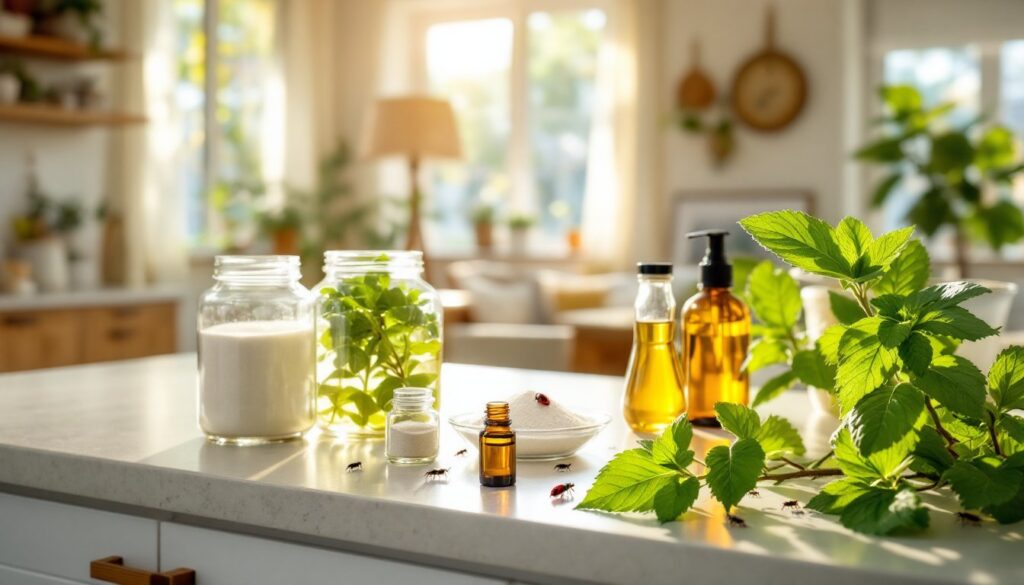
Peppermint Deterrent Spray: Simmer 1 cup of fresh peppermint leaves in 2 cups of water for 15 minutes, strain, and let cool. Add 1 quart of water and a few drops of dish soap. Spray around entry points and problem areas. Refresh weekly. This repels spiders, ants, and rodents but works best as prevention, not cure.
Borax-Based Ant Bait: Mix 1 tablespoon of borax, 1/2 cup of powdered sugar, and 1/2 cup of water. Soak cotton balls in the mixture and place them near ant trails. Ants carry the bait back to the colony. Use caution: Borax is toxic if ingested: keep it away from kids and pets. Wear gloves and wash hands after application.
Most DIY recipes take 1–2 weeks to show results. Consistency matters: apply on schedule, don’t skip re-application cycles, and combine recipes with physical removal (vacuuming up dead insects, removing pest harborage). Homemade remedies work best for mild to moderate infestations: severe or persistent problems usually need professional help or faster-acting commercial green products from brands like Envirocon Pest Control or Tony’s Pest Control.
When to Call a Professional Green Pest Control Service
DIY green methods shine for prevention and minor infestations, but some situations demand professional intervention. Termite colonies, bed bug infestations, or widespread roach problems require faster treatment and structural inspection that DIY recipes can’t provide. Professionals using biotech pest control or advanced green methods have access to commercial-grade products, thermal imaging to locate hidden nests, and the expertise to apply treatments correctly without over-applying.
If your infestation involves structural damage, like termites eating through joists or carpenter ants hollowing out wooden support members, you’ll need a licensed inspector to assess load-bearing integrity. Some jurisdictions require a pest control license to treat certain infestations: check your local building department.
Cost varies by region and severity. A basic inspection runs $150–$300: ongoing green pest plans typically cost $40–$100 per month. Get estimates from at least two companies and ask specifically what methods they use. Legitimate green services should mention integrated pest management, use of non-toxic products, and follow-up visits to monitor effectiveness. Services like Crown Pest Control or regional providers specializing in eco-friendly solutions often cost slightly more than conventional services but eliminate the chemical exposure and environmental guilt. When evaluating quotes, consider using HomeAdvisor to compare local contractors and read verified reviews.
If you decide to handle treatment yourself, start small: treat one room or area, monitor results for 2–3 weeks, then decide whether to expand or call in pros. Patience and observation beat panic-driven chemical blitzes every time.
Conclusion
Green pest control isn’t a trendy compromise, it’s a practical, effective system that works when you combine prevention, natural ingredients, and strategic application. Start with exclusion and sanitation, move to targeted natural treatments for active infestations, and don’t hesitate to call professionals when severity or time constraints demand it. Your home stays safer, pests get eliminated, and you avoid the chemical residue that lingers in conventional approaches. That’s a win worth pursuing.