
Table of Contents
ToggleYour home’s edges and perimeter are where pests gain their first foothold. Whether it’s a crack along your foundation, overgrown landscaping against your siding, or gaps around door frames, these vulnerable zones invite unwanted visitors. Edge pest control, the targeted management of pests at your property’s boundaries, isn’t flashy, but it’s one of the most effective ways to keep insects, rodents, and other critters from entering your home. This guide walks you through what edge pest control is, which pests you’re likely facing, and practical steps to defend your property before problems escalate.
Key Takeaways
- Edge pest control targets your property’s perimeter and boundaries to stop insects, rodents, and other pests before they enter your home, making it one of the most cost-effective defense strategies.
- Seal foundation cracks wider than 1/8 inch, trim vegetation at least 12 inches from siding, and remove mulch piles within 3 feet of your foundation—these mechanical exclusion methods are the first and most economical line of defense.
- Common edge pests like ants, termites, rodents, and spiders use landscaping, foundation gaps, and damp areas as entry points, so understanding your region’s pest pressure helps prioritize your treatment timing.
- Diatomaceous earth, boric acid baits, pyrethrins, and permethrin sprays are effective chemical treatments for edge pest control, but they require proper protective equipment and careful application following label instructions.
- Professional pest control is essential for termite activity, severe rodent infestations, and structural work requiring permits—DIY edge maintenance works best for routine prevention when combined with professional inspections every 2–3 years.
- Prevention through landscape maintenance, moisture management, light control, and year-round monitoring is cheaper than treating established infestations and prevents pest damage before it becomes costly.
What Is Edge Pest Control and Why It Matters for Your Home
Edge pest control focuses on the perimeter of your property, the boundaries where your home meets the outdoors. This includes your foundation, siding, door and window frames, roof eaves, and the landscaping zone immediately adjacent to your house. The goal is simple: create a barrier that discourages pests from crossing that threshold.
Why does this matter? Pests don’t just appear inside your walls: they approach from outside first. A spider or ant standing on your foundation is just steps away from your living room. Termites in a nearby log pile are assessing your rim board. A mosquito breeding in standing water near your downspout will find its way to your porch. By treating the edges aggressively, you stop problems before they become infestations.
Edge control differs from whole-property pest management. You’re not spraying your entire yard: you’re creating a treated buffer zone. This makes the work more efficient, less chemical-intensive, and easier for homeowners to manage without licensed applicators.
Common Pests That Target Property Edges and Perimeters
Different pests have different entry strategies, but most scout your edges first. Understanding which pests are likely in your region helps you prioritize your defenses.
Ants are relentless. Carpenter ants nest in wood and can cause structural damage: pavement ants form massive colonies in soil near foundations. Both use the edge of your property as a highway to your kitchen. Termites are the silent threat. They approach from below, exploring wood contacts and cracks in concrete. A termite tunnel along your foundation rim is a sign they’ve already begun inspection.
Spiders and their prey cluster near entry points. Flies, gnats, and mosquitoes congregate around doors, windows, and outdoor lighting. Rodents, mice and rats, use foundation cracks, gaps under doors, and overgrown vegetation as cover while they probe for openings. Centipedes and millipedes favor damp edges, especially where mulch or leaf litter piles against siding.
Climatic zones shape pest pressure. Humid regions face heavier mosquito and termite pressure. Dry climates see more scorpions and some ant species. Research which pests are active in your area during which seasons: this informs your treatment timing.
DIY Edge Pest Control Methods for Homeowners
You don’t need a licensed applicator to defend your property’s edges. Many effective methods are in your wheelhouse.
Mechanical removal and exclusion is the first and most cost-effective tactic. Walk your foundation and look for cracks wider than 1/8 inch: seal them with polyurethane caulk or expanding foam. Check where utilities enter your house, pipes, cables, and conduits often leave gaps. Use steel wool and caulk to close these holes. Rodents can squeeze through openings the size of a dime, so be thorough.
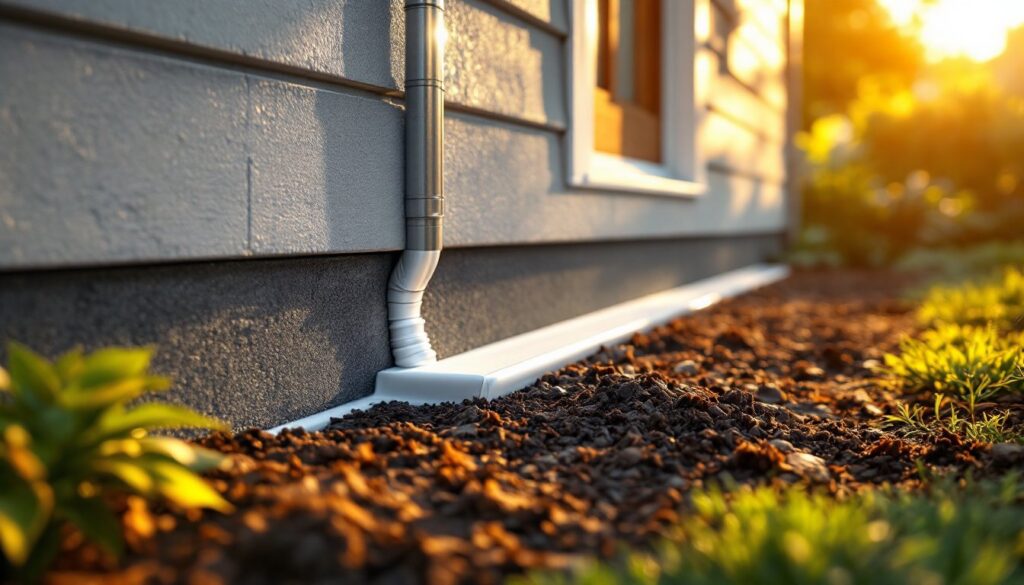
Trim vegetation at least 12 inches away from your siding and foundation. Ants and spiders use plant contact as a bridge into your home. Remove mulch piles, leaf litter, and fallen branches within 3 feet of your foundation. These hiding spots provide cover and moisture that pests love. Install metal gutter guards and keep downspouts directed at least 4 feet away from your house: standing water near foundations breeds mosquitoes and attracts termites.
Natural and Chemical Treatment Options
Diatomaceous earth (DE) is a powder made from fossilized diatoms. Food-grade diatomaceous earth damages the exoskeletons of soft-bodied insects like ants and is safe around pets if applied in thin, dry layers along your foundation perimeter. It loses effectiveness when wet, so reapply after rain.
Boric acid baits are effective against ants and roaches but are toxic to pets and children if ingested, never scatter them loosely. Use enclosed gel baits or stations placed in protected areas along edges, out of reach.
Pyrethrins and pyrethroids are synthetic insecticides derived from chrysanthemum flowers. Pyrethrin spray works fast on visible insects and breaks down quickly in sunlight. Pyrethroid dust (like deltamethrin) persists longer and is useful for entry point treatment. Always wear nitrile gloves, a dust mask, and eye protection when applying powder. Follow label instructions for application rates and re-entry times.
Neem oil is an organic option that disrupts insect feeding and reproduction. It requires repeat applications and works best on soft-bodied insects like aphids, not hardened beetles or termites.
Chemical baits for ants and termites work by allowing workers to carry poison back to the colony. Place stations along known trails and entry points. These take time to kill the nest (7-21 days), but they’re highly effective. Gel baits come in pre-filled syringes or cartridges, wear gloves and avoid contact with skin.
Permethrin spray (for outdoor use only) treats your foundation perimeter as a barrier. Apply a 3-foot-wide band along the base of your house, where foundation meets soil. This creates a treated zone that deters many crawling insects. Wear protective equipment and avoid contact with pets and plants during application. DIY Yourself Pest work requires patience and attention to detail, rushing the job is how homeowners miss infestations.
Prevention Strategies to Keep Pests Away From Your Home’s Edges
Prevention is always cheaper than treatment. Small consistent actions compound over time.
Landscape maintenance is foundational. Rake leaves away from your foundation regularly. Store firewood at least 20 feet from your house and off the ground on a rack: termites and carpenter ants love wood piles against houses. Prune tree branches so they don’t overhang your roof or touch your siding, these are highways for insects and rodents.
Moisture management is critical. Pests need water. Check your foundation for standing water after rain. Ensure grading slopes away from your house so water runs outward. Fix leaking gutters or downspouts immediately. A consistently damp foundation is a termite or carpenter ant invitation. Inside, seal crawl spaces with a moisture barrier and run a dehumidifier in basements below 60% humidity.
Light management attracts insects. Yellow “bug lights” attract fewer insects than standard bulbs, but they’re not magic. Use motion-activated lighting instead of leaving porch lights on all night. Keep outdoor lights away from entry doors if possible, place them further out in the yard.
Sealing entry points is ongoing. Recheck door sweeps and weatherstripping annually. A 1/8-inch gap under a door might seem small, but it’s highway for insects. Replace damaged weatherstripping each fall before pest season intensifies. Install threshold seals on doors that don’t have them.
Monitor for signs year-round. Dead insects near lights, mud tubes on foundation walls (termite tubes), sawdust near wood, or rodent droppings mean pests have breached your edge. Catch these early, pest control services in Maryland and across the country emphasize that early detection saves money and prevents damage.
When to Call Professional Pest Control Services
DIY edge control handles routine maintenance and minor infestations. But some situations demand licensed professionals.
Termite activity requires professional inspection and often treatment. Termites cause structural damage measured in thousands of dollars. If you find mud tubes, hollow wood, or damage, call a licensed pest control operator immediately. They have thermal imaging equipment and training to assess the scope. Treatment often involves soil injections or termite baiting systems that homeowners shouldn’t attempt without proper certification.
Severe rodent infestations (multiple droppings, sightings, or sound inside walls) need professional trapping and exclusion. Rodents can carry hantavirus and other pathogens. Professionals trap systematically, identify all entry points, and know how to exclude properly without creating new problems.
Bed bugs, cockroaches, or wood-destroying beetles typically require professional heat treatments or targeted pesticide applications that demand expertise and liability insurance. These pests hide in protected spaces and resist casual spraying.
Structural or chemical work that requires a permit (like soil termiticide barriers) must be done by licensed contractors in most jurisdictions. Check your local building department to confirm whether edge treatments trigger permit requirements.
Reputable companies offer free inspections. Get three quotes and verify licensing through your state’s pest control board. Services like HomeAdvisor and Bob Vila maintain contractor directories and customer reviews. Ask for references and check insurance coverage. A professional visit every 2-3 years as a preventive measure, combined with your DIY edge maintenance, creates a robust defense.
Conclusion
Edge pest control isn’t exciting, but it’s effective. Sealing cracks, trimming vegetation, managing moisture, and applying targeted treatments along your property’s perimeter stop pests before they enter. Start with exclusion and maintenance, the low-cost, high-return work, then add treatments as needed. Review your edges seasonally, stay consistent, and you’ll notice fewer pests inside. When DIY reaches its limits, professionals are there to handle what you can’t.