
Table of Contents
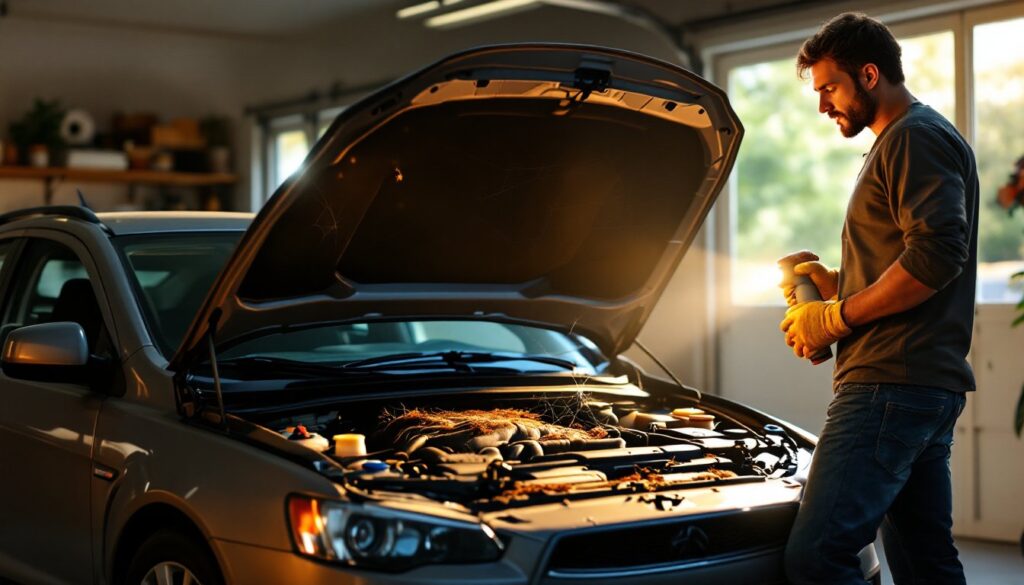
ToggleFinding droppings or nesting material inside your vehicle is every car owner’s nightmare. Pests don’t distinguish between your home and your car, both are potential shelters, food sources, and nesting grounds. Automotive pest control isn’t just about comfort: rodents, insects, and spiders can chew through wiring harnesses, contaminate your interior, and create costly damage that mechanics dread diagnosing. Understanding why pests target vehicles, recognizing the signs early, and taking preventative action now will save you headaches and repair bills down the road. This guide walks you through practical strategies to keep your car pest-free year-round.
Key Takeaways
- Rodents and insects target vehicles for shelter, food, and nesting material, with rodent damage alone costing $3,000–$8,000 in electrical repairs if left undetected.
- Prevention through cleanliness, sealing entry points with steel wool and caulk, and maintaining a clutter-free vehicle is the most cost-effective automotive pest control strategy.
- Store food outside your car, park in garages when possible, and use peppermint oil or mothballs during vehicle storage to deter pests naturally.
- DIY snap traps and insecticide sprays work for light infestations, but professional automotive pest control costing $400–$800 is necessary for serious rodent or extensive insect problems.
- Contact a professional immediately if you discover hantavirus concerns, fuel or brake line damage, or widespread nesting material, as some insurance policies cover documented pest-related vehicle damage.
Why Pests Invade Your Vehicle
Your vehicle checks every box on a pest’s wish list. Mice and rats seek shelter from outdoor elements, especially as temperatures drop: your engine bay, under-carriage, and cabin offer warmth, darkness, and protection from predators. Insects and spiders are drawn to the food crumbs you leave behind, the remains of coffee runs, fast food, and snacks, plus the moisture that accumulates in door seals and floor mats. Rodents particularly target vehicles parked long-term or left idle for weeks, since they have time to establish nesting sites without disturbance. Your car’s wiring insulation also appeals to gnawing pests: it’s a soft texture they can shred for nesting material. Once a pest finds your vehicle hospitable, it’ll invite friends, turning a minor problem into an infestation requiring professional intervention.
Common Pests Found in Cars
Rodents and Their Damage
House mice and Norway rats are the primary culprits in vehicular infestations. Mice are smaller and more agile, fitting through gaps as tiny as a dime: rats need roughly a quarter-sized opening but cause more damage due to their size and bite force. Both gnaw on wiring harnesses, fuel lines, and plastic components, creating shorts that disable airbags, anti-lock braking systems, and engine controls. A single rodent infestation can cost $3,000–$8,000 in electrical repairs if the damage goes unnoticed. Droppings and urine are biohazard concerns: they carry hantavirus and salmonella, posing health risks to you and your passengers. Look for small dark pellets along the floorboard, shredded insulation under the seats, and a musty odor as early warning signs.
Insects and Arachnids
Spiders, cockroaches, and beetles infest vehicles less dramatically but are still unwelcome. Spiders build webs in vents, door pockets, and under the hood: while harmless, they’re unsettling and can trigger allergies. Cockroaches thrive in warm engine bays and contaminate surfaces with fecal matter, spreading pathogens. Beetles and other insects are attracted to stored food, pet waste if you transport animals, and the organic buildup in cabin filters and air vents. Pest infestations of this type are easier to eliminate than rodent damage but require vigilance to prevent recurrence.
Prevention Strategies for Your Vehicle
Prevention is your first and most cost-effective line of defense. Keep your vehicle spotless, vacuum the interior weekly, wipe down surfaces, and remove food debris immediately. Store any snacks or pet food outside the car: a forgotten granola bar is an invitation. Seal entry points using steel wool and caulk, focusing on gaps around the engine bay, firewall, door seals, and undercarriage penetrations. Steel wool deters chewing because rodents dislike the texture: ordinary caulk alone won’t stop determined pests. Park in a garage or covered area when possible: vehicles left exposed in driveways are easier targets. If storing your car for winter, top off the fuel tank (an empty tank attracts rodents seeking water), run the engine weekly, and place mothballs or peppermint oil-soaked cotton balls in strategic locations, rodents dislike the scent. Check your air vents and cabin filter monthly: a clogged filter is a pest magnet. Using pest control approaches with modern biotech innovations can also inspire integrated prevention thinking. Consider your parking environment too: avoid parking near dumpsters, construction sites, or overgrown areas where rodents nest and hunt for food sources.
DIY Pest Removal and Treatment Methods
If pests have already moved in, you can tackle light infestations with store-bought tools and smart tactics. Snap traps and electronic traps work well for mice: place them along walls and under seats where rodent activity is evident, pests prefer traveling edges rather than open spaces. Bait traps with peanut butter, nuts, or nesting material (cotton): check traps daily and dispose of dead rodents carefully using gloves and a sealed plastic bag. For spiders and insects, vacuum the affected areas thoroughly, then apply automotive-safe insecticide sprays to vents, door pockets, and under the hood. Follow the product label exactly: never spray near fuel lines or electrical connections. Open all windows and run the ventilation system on recirculate for 15 minutes afterward to clear fumes. For cockroaches, gel baits placed in engine bays and under seats are highly effective: they work slowly but eliminate colonies at the source. Wear nitrile gloves and eye protection when handling any pesticides or dead rodents. Remove and clean cabin filters and air intake filters: they often harbor insects and fecal debris. Inspect your vehicle’s interior with a flashlight, checking door panels, seat bottoms, and behind trim pieces for hidden nesting sites. Trusted pest control franchises sometimes offer advisory services if you’re unsure about infestation severity. Repeat treatments every two weeks until activity ceases: a single application rarely eliminates all pests.
When to Call a Professional
Serious infestations, those involving rats, extensive damage, or large insect colonies, demand professional pest control. If you’ve found more than a few droppings, visible nesting material, or evidence of wiring damage, your vehicle needs heat treatment or chemical fumigation. Professional exterminators use automotive-grade fogging agents that penetrate every cavity without harming electronics when applied correctly. A single professional treatment typically costs $400–$800 but prevents costly repeat infestations and ensures the problem is fully resolved. Also, if you discover damage to fuel lines, brake lines, or electrical harnesses, consult your mechanic alongside pest control: rodent damage sometimes masks other failing components. Some insurers cover pest-related vehicle damage if it’s documented by a professional, so get a written report. Crown Pest Control and similar licensed services often provide guarantees, if pests return within 30–60 days, they’ll retreat at no charge. This assurance is valuable for peace of mind. Don’t attempt DIY removal if you suspect hantavirus exposure (droppings older than one week in enclosed spaces) or if allergies make pesticide use unsafe: professionals have proper respiratory protection and biohazard protocols.