Table of Contents
TogglePest control isn’t a luxury, it’s a necessity for most homeowners. When you’ve got ants in the kitchen or termites in the crawl space, you’re not thinking about the cost: you’re thinking about the problem. But before you call a pro, you should know what you’re likely to spend. Pest control pricing in 2026 varies widely depending on where you live, what’s bugging you, and how bad the infestation is. Understanding the breakdown of costs helps you get fair quotes, avoid lowball services that cut corners, and budget appropriately whether you’re dealing with a one-time emergency or planning long-term protection.
Key Takeaways
- Average pest control price ranges from $108 to $261 per service call, with national average around $171, but specialty treatments like fumigation and structural work cost significantly more.
- The type of pest and treatment method dramatically affect costs—general pest control runs $100–$300, while termite treatment can reach $800–$2,500 depending on home size and infestation severity.
- Annual pest control budgets for average homes typically run $500–$1,200 when committing to quarterly maintenance plans that offer 10–15% discounts versus pay-per-visit pricing.
- Getting multiple written quotes from at least three local pest control companies helps you compare treatment recommendations and avoid lowball services that cut corners.
- Addressing conducive conditions yourself—sealing cracks, fixing leaks, and removing food sources—reduces pest pressure and lowers your long-term treatment costs.
What Affects Pest Control Costs
Pest control pricing isn’t one-size-fits-all. Several key factors determine what you’ll pay, and knowing them helps you compare quotes intelligently.
Type of Pest and Treatment Required
Not all pests are created equal when it comes to treatment complexity. A basic ant service might run $100–$300, while termite treatment, which often requires trenching, soil treatment, and bait stations, can cost $800–$2,500 or more depending on your home’s size and the infestation’s scope. Bed bugs are notoriously expensive because they require multiple visits, often heat treatments or targeted pesticide applications, and post-treatment inspections. Rodent control falls somewhere in between, typically $150–$400 for initial trapping and exclusion work.
The method of treatment matters too. A spray application for general pest maintenance is cheaper than structural fumigation or heat treatment. If the pest problem requires Maryland Pest Control: Effective strategies tailored to your region’s climate and common invaders, the cost may shift accordingly.
Home Size and Infestation Severity
A 1,500-square-foot ranch cottage costs less to treat than a 4,000-square-foot two-story. Pest control companies often charge by linear foot of treatment perimeter or by square footage, so bigger homes mean higher baseline costs. Most companies charge between $0.05 and $0.15 per linear foot for exterior treatment, which adds up quickly on a large property.
Severity matters just as much. A light roach problem caught early might need one or two treatments at baseline pricing. A heavy infestation found in walls, attics, and kitchen cabinets requires more applications, stronger treatments, and follow-up visits, sometimes doubling or tripling the initial quote. Honest pest control pros will tell you upfront if a problem needs more than one visit to resolve.
Typical Pest Control Pricing Breakdown
Here’s what you’re typically paying for when you hire a professional pest control service.
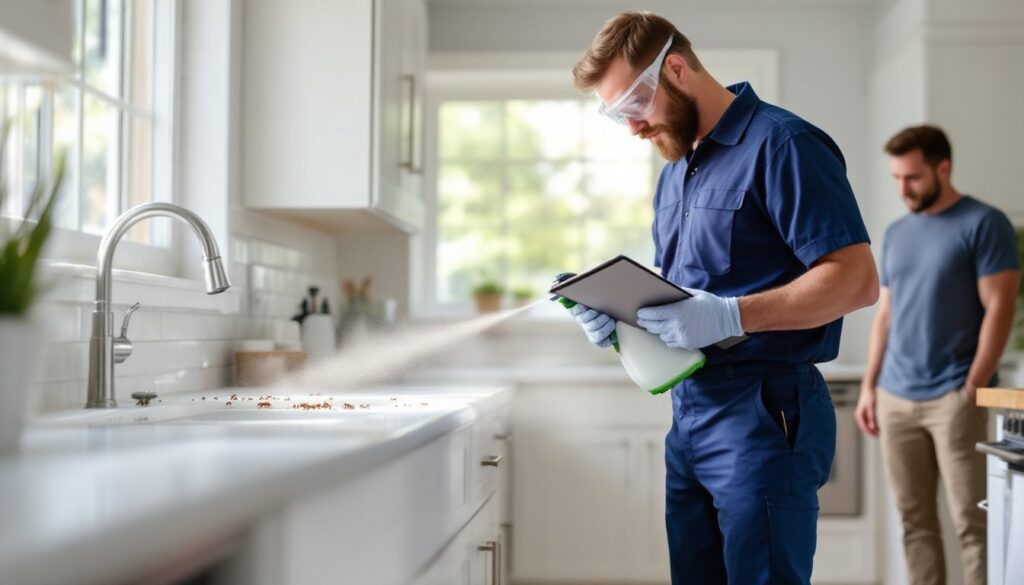
Initial consultation and inspection usually runs free or $50–$100 depending on the company and how thorough the walkthrough is. A reputable technician will spend 30–60 minutes identifying entry points, nesting areas, and the extent of the problem. This isn’t wasted time: it’s the foundation for an accurate quote.
One-time treatment visits for common pests average:
- General pest control (ants, cockroaches, spiders): $100–$300
- Rodent trapping and baiting: $150–$400
- Termite inspection with basic treatment: $200–$600 (structural termite work is much higher)
- Bed bug treatment: $300–$1,500+ per visit (heat treatment often $2,000–$4,000)
- Mosquito yard treatment: $75–$200 per application
- Wasp or hornet nest removal: $100–$500 depending on location and accessibility
These are ballpark figures and vary significantly by region and company size. Urban areas and regions with high pest pressure (Southern states, Florida, California) tend to run 15–25% higher than rural or northern regions.
According to data from HomeAdvisor’s pest control cost guide, homeowners typically spend between $108 and $261 per service call, with a national average around $171. But, this baseline doesn’t include specialized treatments like fumigation or structural work.
Initial Inspection and Treatment Costs
The first step with any pest problem is a professional inspection. This is where you learn whether you’re dealing with a minor nuisance or a serious structural threat.
Most pest control companies offer free inspections as part of their sales process, though some established local companies charge $50–$150 for detailed termite inspections (these are often credited toward treatment if you hire them). The inspection report should identify:
- Pest type and activity level
- Entry points and conducive conditions (moisture, food sources, shelter)
- Recommended treatment approach
- Estimated cost and timeline
Initial treatment costs kick in once you’ve approved the plan. For a straightforward general pest control service, quarterly or bi-monthly applications to prevent ants, roaches, and spiders, expect to pay $200–$400 for the first visit, sometimes with a discount if you sign a contract. The subsequent quarterly visits typically run $100–$150 less.
If the inspection uncovers termites, the picture changes. A full Pest Control Franchise: Unlock -quality treatment with bait stations, soil termiticide application, and follow-ups can range from $800–$2,500 for an average home, often requiring a separate contract. Some companies offer financing for termite work because the bill can shock homeowners.
Ongoing Maintenance Plans and Long-Term Budgeting
Most homeowners benefit from ongoing pest control rather than one-off treatments. A maintenance plan locks in predictable costs and prevents infestations from taking root.
Quarterly pest control plans (the most common approach) typically cost $300–$600 per year, or $75–$150 per visit. These include regular applications of perimeter treatments, interior spot treatments where needed, and tech callbacks if problems flare up between scheduled visits. Many companies offer 10–15% discounts if you commit to a 12-month contract.
Bi-monthly plans run $600–$1,000 annually and are good for homes in high-pest-pressure areas or those with previous infestations. Monthly service (around $1,200–$1,800 per year) is overkill for most situations but sometimes makes sense for commercial properties or severe cases.
Seasonal plans cost less, around $150–$300 per quarter in spring and fall, skipping winter, and work fine if your region has off-seasons for pest activity. This is common in northern states where bug pressure drops in winter.
When budgeting long-term, factor in:
- Maintenance plan base cost: $400–$800/year for quarterly service
- Specialty treatments: Additional $100–$300/year if you need separate rodent or termite monitoring
- Emergency visits: $150–$300 if you call outside your scheduled plan
- Add-on services like wildlife removal, moisture control, or yard treatments: $200–$500/year
A realistic annual pest control budget for an average home runs $500–$1,200, depending on your region, home size, and infestation history. Services from Envirocon Pest Control: Your eco-friendly approach or Tony’s Pest Control: The humor-forward methods vary in pricing but operate in similar ranges.
Money-Saving Tips for Pest Control Services
Professional pest control is worth the cost, but you don’t have to overpay. Here are practical ways to keep expenses reasonable while maintaining effective protection.
Get multiple quotes. Don’t call one company and sign up. Request written estimates from at least three local professionals. Compare treatment recommendations, not just price, the cheapest quote might skip critical steps. Service platforms like Angi and ImproveNet help you review local contractors and gather competitive bids.
Commit to a contract. Most companies offer 10–20% discounts on quarterly plans versus pay-per-visit pricing. If you’re confident in a company’s work, signing a 12-month contract saves money and ensures consistent service.
Address conditions yourself. Don’t pay for ongoing pest problems caused by poor maintenance. Seal cracks, fix leaking pipes, remove food debris, and trim vegetation away from your home. These free or cheap fixes reduce pest pressure and lower your treatment costs.
Ask about package deals. Many companies bundle termite monitoring, quarterly pest control, and rodent exclusion at a discount compared to buying each separately. Crown Pest Control: Your service models and others often offer bundled pricing.
Skip unnecessary add-ons. Mosquito yard spraying and wildlife removal are nice-to-haves but pricey. Prioritize foundation perimeter treatment and interior control for core protection, then add specialty services only if needed.
Do your own prevention work. Seal entry points, caulk gaps, and maintain gutters yourself. Even a DIY enthusiast following Do It Yourself guides can handle basic exclusion work, saving you service call fees. This doesn’t replace professional treatment but extends its effectiveness.
Negotiate for move-in inspections. If you’re buying a home, many companies discount or waive inspections for pest/termite reports if you agree to a maintenance contract. Similarly, Pest Control Montgomery and other regional companies often bundle inspections with service agreements.