
Table of Contents
ToggleGeckos in your home aren’t just an annoyance, they’re a sign that your indoor environment is attracting the insects they hunt. Unlike some pests, geckos themselves aren’t destructive, but their presence signals easier-to-fix problems: gaps in weatherstripping, food sources, and moisture. This guide walks you through identifying an infestation, securing your home before it starts, and removing geckos safely if they’ve already moved in. Whether you’re dealing with a single intruder or a breeding colony, you’ll find practical, actionable steps to reclaim your space.
Key Takeaways
- Gecko pest control starts by eliminating what attracts them—seal entry gaps wider than 1/4 inch, reduce moisture to below 50% humidity, and cut off their insect food source.
- Signs of infestation include spotting geckos near light fixtures at night, finding small dark droppings on windowsills, and noticing shed skin around window frames and vents.
- Effective DIY removal combines sticky or live-capture traps placed along baseboards with insect control sprays applied every 5–7 days for 2–3 weeks.
- Geckos are attracted to warm, humid homes with poor sealing and reliable insect populations, so preventing infestation requires caulking gaps, fixing leaky pipes, and switching to yellow bug lights.
- Call a licensed pest control professional if DIY gecko control methods haven’t worked after 4 weeks, or if geckos are nesting in hard-to-access areas like attics or walls.
Understanding the Gecko Problem in Homes
Geckos enter homes hunting food. They’re attracted to the insects living in your walls and windows, moths, roaches, flies, spiders. Once they find a reliable feeding ground, they stay and breed. Most residential geckos are Mediterranean house geckos or day geckos, small lizards (3–6 inches) with adhesive toe pads. They’re nocturnal hunters, so you’ll rarely see them during the day. The real issue isn’t the gecko itself, it’s what its presence tells you about your home’s vulnerabilities. Geckos thrive in warm, humid spaces with poor sealing. If you’re seeing geckos, you have an insect problem and air leaks that need fixing. This is where your gecko control strategy actually begins: eliminate their reason for being there in the first place.
Signs of a Gecko Infestation
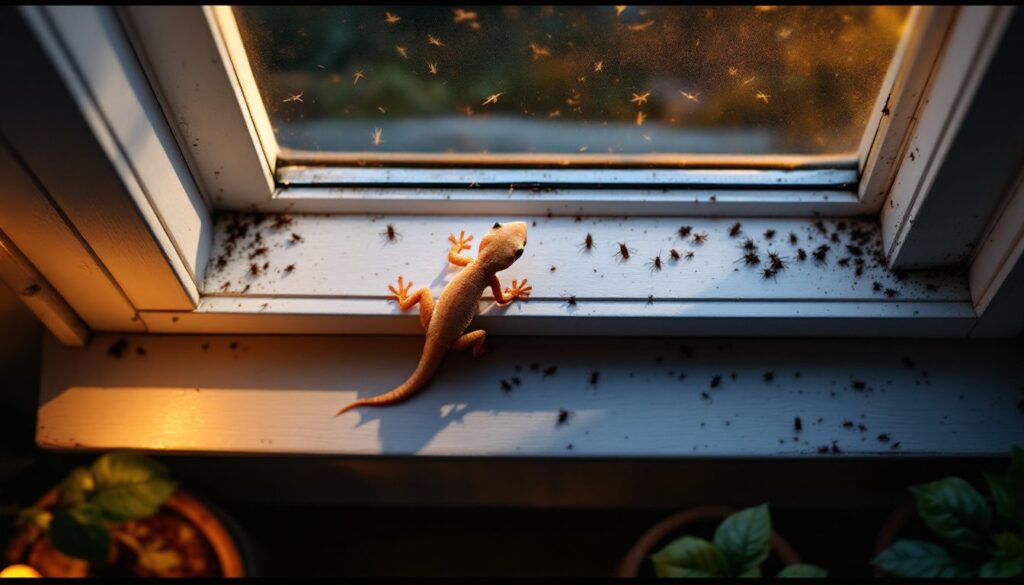
The first sign is usually spotting one or hearing chirping sounds at night in upper rooms or near light fixtures. Look for small, dark droppings (pellet-sized, different from rodent droppings) on windowsills, baseboards, or ceiling corners. Geckos congregate near lights because insects gather there. If you’re finding shed skin (thin, papery exoskeletons), you have multiple geckos. Check around window frames, vents, and light switches, these are gecko highways. You might also notice a musty or stale odor in affected rooms, from accumulated droppings and shed skin. Unlike a sudden rat infestation, geckos accumulate slowly, so early detection is your advantage. If you’re only seeing one gecko every few weeks, you caught it early. If they’re everywhere, the infestation’s been growing for months.
Prevention Methods Before Infestation Occurs
Seal entry points first. Walk your home’s exterior at dusk with a flashlight. Look for gaps around pipes, foundation cracks, and gaps in trim or fascia wider than 1/4 inch. Use silicone caulk (paintable, rated for exterior use) on gaps under 1/2 inch. For larger gaps, use foam backer rod (flexible foam rope) before caulking. Don’t forget to seal around air conditioning units, cable lines, and corner trims. Check door thresholds and weatherstripping: replace worn rubber seals if light shows underneath. Window sills should be caulked where glass meets frame. This isn’t quick work, a typical home takes a full weekend.
Next, reduce their food supply. Insects thrive on moisture and darkness. Use dehumidifiers in basements and bathrooms (target 50% relative humidity or lower). Fix leaky pipes immediately, standing water in walls is insect incubator central. Check crawl spaces for moisture: if wet, add a vapor barrier. Switch outdoor lights to yellow “bug lights” or motion-sensor fixtures: they attract fewer insects. Bring porch lights on timers so they’re not on all night. Keep gutters clean and ensure downspouts direct water at least 3 feet from the foundation.
Inside, keep food sealed and floors clear of crumbs. Store pantry items in airtight containers. Don’t leave pet food out overnight. Declutter, geckos love hiding in boxes and stacks of items. Vacuum regularly, especially corners and under appliances. This removes insect eggs and debris they feed on.
Effective DIY Gecko Removal Techniques
Before removing geckos, you must cut off their food supply. Spray insecticide (or use sticky traps) to reduce insects in affected rooms for 1–2 weeks. Once food is scarce, geckos leave on their own or become easier to trap. This step separates successful DIY control from constant gecko sightings. If you skip it, they’ll just come back.
Reduce moisture and lighting where they congregate. Close off rooms at night if possible, or use heavy curtains to block light from escaping. Geckos will follow food and light elsewhere in the home. Turn off unnecessary lights after dark. Use a dehumidifier. These changes are tedious but free and effective.
For nighttime observation, use a red flashlight (geckos don’t see red light as easily) to spot where they’re hanging out. Note entry/exit routes. Are they coming from the attic? Behind baseboards? This intelligence helps you target caulking and trapping.
Trapping and Manual Removal
Gecko traps use sticky surfaces or live-capture designs. Sticky traps (flat cardboard with adhesive) work best placed along baseboards, under sinks, and on windowsills where you’ve seen activity. Check daily and dispose humanely (geckos can be released outdoors if you live in a warm climate: check local regulations first, some areas prohibit it). Live-capture traps (small clear boxes with one-way doors) are gentler and reusable. Bait with a small piece of crickets or insects. Check twice daily.
Manual removal: If you see a gecko, you can trap it in a clear glass or plastic container (slide a cardboard sheet underneath) and release it outside. Wear thin gloves, their toe pads grip skin. Move slowly: sudden movements trigger them to drop their tail as a defense. If the tail comes off, it doesn’t regenerate fully and the gecko loses balance climbing. Place captured geckos in a warm location (50°F minimum) before release: cold slows them.
For serious infestations, insect-control sprays work faster than traps alone. Use pyrethrin-based aerosol insecticide (pet-safe if pets aren’t in the room during application) to reduce flying and crawling insects. Spray baseboards, window frames, and around light fixtures every 5–7 days for 2–3 weeks. Wear PPE: goggles, gloves, and a respirator. Ventilate the room well. Once insect populations crash, geckos starve or migrate.
When to Call Professional Pest Control
If you’ve sealed entry points, reduced moisture, cut off food, and used traps/sprays for 4 weeks with no improvement, call a licensed pest control operator. They have access to stronger insecticides and can identify entry points you missed. A professional inspection ($150–$300 typically) often reveals hidden issues: cracks in foundation siding, gaps in attic vents, or moisture problems in crawl spaces. Many pest control companies now use eco-friendly or low-toxicity options, so ask about Envirocon Pest Control and similar green services if you prefer. A one-time treatment ($300–$600) followed by monthly maintenance ($50–$100) usually clears infestations faster than DIY efforts alone. Also call a professional if the infestation is in the attic or walls where you can’t easily access, or if geckos keep returning after you’ve done the above steps, this signals a structural problem or unknown entry point. Most areas don’t require a permit for gecko control, but verify locally. If you need help sealing your home afterward, Do It Yourself Pest Control Tucson style guides walk you through weatherproofing basics.
Conclusion
Gecko control isn’t complicated, but it requires patience and follow-through. You can’t just spray and hope, you must seal your home, reduce insects, and eliminate moisture. Start before infestation by caulking gaps and controlling humidity. Once geckos arrive, trapping combined with insect reduction works. Most homeowners succeed with 4–8 weeks of consistent effort. If you’re still seeing geckos after that, a professional’s expertise and stronger tools will finish the job. Your reward? A sealed, dry, clean home that’s less attractive to pests of all kinds.