
Table of Contents
TogglePests don’t stick to a schedule, they show up when you least expect them. A single ant colony can become an infestation. One mouse in the attic means others aren’t far behind. The problem is that tackling different pest problems often requires different strategies, products, and sometimes multiple service calls. That’s where all-in-one pest control comes in. Whether you’re dealing with insects, rodents, or a combination of both, an all-in-one approach gives you a unified strategy to protect your home year-round. For homeowners and DIY enthusiasts, understanding what these solutions offer, and how they compare to doing it yourself, is the first step to reclaiming your space from unwanted visitors.
Key Takeaways
- All-in-one pest control combines preventive barriers, interior treatments, and ongoing monitoring to tackle multiple household pests under a single unified strategy.
- DIY all-in-one kits cost $50–$150 upfront but require 2–3 hours monthly of maintenance, while professional services ($100–$300/month) offer expertise, warranties, and knowledge of entry points DIYers often miss.
- Effective pest control uses layered defenses: bait stations (slow-acting but eliminate entire colonies) paired with residual sprays (quick contact kill) work better together than separately.
- Before starting treatment, identify the specific pests you’re facing by examining droppings and visible signs, then seal foundation gaps and remove clutter to prevent re-infestation.
- Realistic all-in-one pest control solutions require 2–4 weeks to show full results; expect improvement by week 2 and near-complete control by week 4.
- A hybrid approach—hiring professionals for initial inspection and treatment, then maintaining with a DIY kit—often provides the best balance between cost and long-term peace of mind.
What Is All-In-One Pest Control?
All-in-one pest control is a bundled approach that addresses multiple pest problems under a single plan or product system. Instead of buying separate sprays for ants, traps for rodents, and treatments for termites, you get a cohesive solution designed to tackle a broad range of household invaders at once.
These systems typically combine several tactics: preventive barriers (applied around your home’s perimeter and entry points), interior treatments (baits, gels, or sprays), monitoring and inspection protocols, and ongoing maintenance visits. The idea is to create layers of defense, stopping pests before they enter, eliminating those already inside, and preventing re-infestation.
For DIYers, all-in-one products often come as kits with multiple active ingredients in different forms (liquid concentrates, granules, bait stations). For homeowners preferring professional help, all-in-one services from established companies offer routine inspections, targeted treatments, and guarantees that your home stays pest-free. Some blends include both conventional pesticides and Envirocon Pest Control: Your eco-friendly options, letting you choose based on your comfort level with chemicals.
Common Household Pests and How All-In-One Solutions Target Them
Insects and Crawling Pests
Ants, cockroaches, spiders, and earwigs are the backbone of most household pest problems. All-in-one products target these with a combination of residual sprays (applied to baseboards, under sinks, and entry points) and bait stations placed in strategic locations.
Bait works differently than spray. Instead of killing on contact, baits are slow-acting poisons that worker insects carry back to the nest, poisoning the entire colony. This takes 3–5 days but results in complete elimination. Residual sprays create a barrier that pests walk across, when the chemical contacts their legs or exoskeleton, they’re killed within hours. Using both tactics together is more effective than either alone.
For cockroaches specifically, you’ll want products containing fipronil or abamectin, both proven roach killers. Ants respond well to hydramethylnon or borax-based baits. These ingredients appear in most commercial all-in-one kits.
Rodents and Larger Intruders
Mice and rats require a different strategy because they’re intelligent and cautious. An all-in-one approach layers multiple defenses: snap traps or electronic traps placed along walls (rodents run edges, not across open floors), one-way exclusion doors to seal entry points, and sometimes poison baits in locked bait stations (to keep them away from pets and kids).
The key is placement. A trap in the middle of your kitchen won’t catch much: rodents move along baseboards and behind appliances. Place traps every 6–10 feet along suspected travel routes. Check them daily, a mouse caught and left to rot becomes a smell problem you don’t want.
One advantage of professional all-in-one services for rodents: they know common entry points (gaps around pipes, foundation cracks, loose vents) and can seal them properly, which DIY efforts often miss. This is why Crown Pest Control: Your and similar providers emphasize exclusion work alongside trapping.
DIY vs. Professional All-In-One Pest Control Services
The choice between DIY and hiring professionals boils down to complexity, time, and confidence.
DIY All-In-One Kits are ideal if you catch a problem early and are willing to commit 2–3 hours per month to monitoring, rebaiting, and cleaning. You’ll spend $50–$150 upfront and maybe another $20–$30 monthly on replacements. You control the schedule and chemicals used. The downside: if the infestation is moderate to severe, you might miss entry points, undersized the treatment, or fail to seal the source, meaning pests return.
Professional Services cost $100–$300 per month depending on your region and home size, but they bring expertise. Professionals know regional pest patterns, local codes around pesticide use, and structural vulnerabilities you might miss. They provide warranties (usually 30–60 days) and adjust treatments if pests persist. This is worth it for larger homes, severe infestations, or if you have pets or children and want minimal chemical exposure indoors.
A hybrid approach works too: hire a professional for a one-time inspection and treatment, then maintain it yourself with a DIY kit. Many homeowners find this strikes the right balance between cost and peace of mind.
Key Features to Look for in an All-In-One Pest Control Product or Service
Broad-Spectrum Active Ingredients – The product should list specific chemicals targeting the pests you’ve identified. If it just says “broad-spectrum,” that’s vague. Look for named ingredients like permethrin (insects and some rodents), fipronil (ants, roaches), or d-limonene (citrus-based, less toxic alternative).
Easy Application Methods – Kits should include bait stations, sprayers, and dust applicators. If it only comes as a concentrate that requires mixing and specialized equipment, it’s not truly all-in-one for most homeowners. Do It Yourself Pest control kits should be set-and-monitor, not complicated chemistry experiments.
Safety Features – Look for tamper-resistant bait stations (especially important if you have kids or pets), clear labeling with re-entry times (how long to stay out after application), and instructions for disposing of dead pests safely.
Monitoring and Reorder Support – Services should include regular inspections: kits should explain how to spot evidence that treatment is working (fewer droppings, no new ant trails). Professional services often provide app-based monitoring or photo documentation so you know what’s being done.
Realistic Timeline – A good all-in-one solution takes 2–4 weeks to show full results. If anyone promises overnight elimination, they’re overselling. Expect to see improvement by week 2 and near-complete control by week 4.
Getting Started: Implementation Tips for Homeowners
Step 1: Identify Your Pests
Before buying anything, confirm what you’re actually dealing with. Look for droppings (mouse droppings are dark, small pellets: cockroach droppings look like ground coffee), bite patterns on skin, or visible insects. This tells you whether to prioritize insect baits, rodent traps, or both. Misidentifying the pest wastes money.
Step 2: Seal Obvious Entry Points
While waiting for your all-in-one treatment to arrive, walk your foundation and check for gaps. Caulk cracks smaller than 1/4 inch: use hardware cloth or foam sealant for larger openings around pipes. Don’t leave doors propped open, and ensure screens have no holes. This prep work stops 30–40% of pests before the chemicals even work.
Step 3: Clear Clutter and Food Sources
Pests come for food and shelter. Remove standing water, store pantry items in sealed containers, and don’t leave pet food out overnight. Declutter storage areas, rodents nest in boxes and piles. This isn’t exciting, but it’s what actually stops re-infestation.
Step 4: Apply or Schedule Treatment
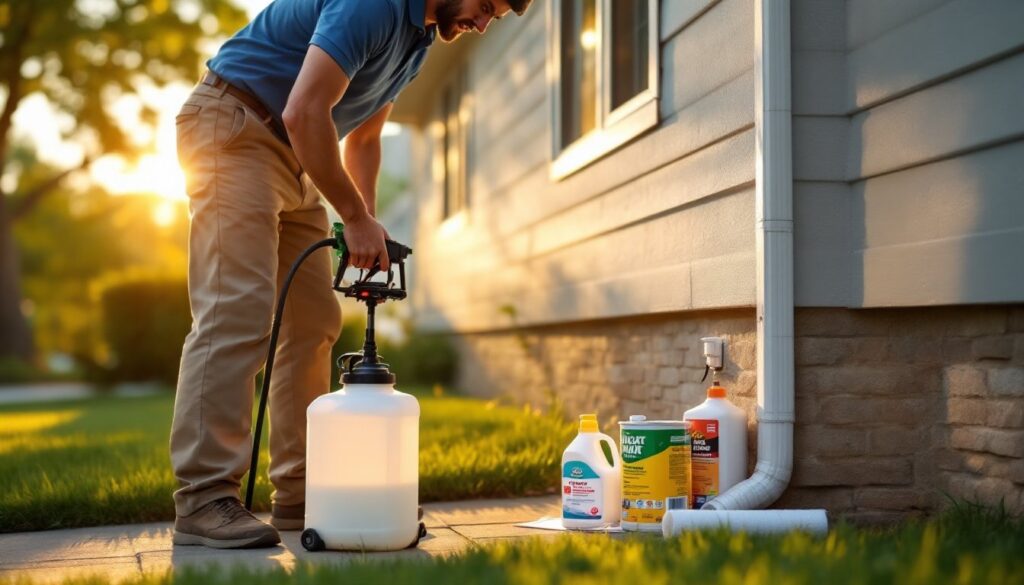
For DIY kits, follow label instructions exactly. Spray baseboards, under sinks, and around entry points. Place bait stations in corners, dark areas, and suspected trails. Wear nitrile gloves and a dust mask when applying powders or sprays: open windows and keep kids and pets out during application.
For professional services, let them access your attic, basement, and crawlspace, that’s where serious infestations hide. Professional networks like Angi and HomeAdvisor can help you find vetted local providers and compare costs.
Step 5: Monitor and Adjust
Check bait stations and traps weekly. Replace baits every 30 days, whether they look used or not: they lose potency. If you still see activity after 3 weeks, switch strategies (try a different bait type, add more traps, or call a professional). Pest control is iterative, what works for your neighbor’s house might not work for yours due to differences in construction and pest behavior.
For those considering Biotech Pest Control: The advanced solutions or regional specialists like Maryland Pest Control: Effective, don’t hesitate to get a second opinion if DIY doesn’t work within 4–6 weeks. Sometimes a professional touch, especially for structural sealing or attic access, makes all the difference. Also, resources like The Spruce offer detailed walkthroughs for specific pest scenarios if you want to educate yourself further before deciding.