
Table of Contents
TogglePest infestations don’t respect your budget. Whether you’re dealing with ants, rodents, or bed bugs, the cost of professional pest control can feel like highway robbery, especially if you call a service out twice a year or more. The good news? You don’t have to choose between cheap pest control prices and actually solving the problem. This guide walks you through pricing models, DIY options, budget-friendly professional services, and smart strategies to keep pests out without draining your wallet. From understanding what you’re paying for to knowing when a $200 service call beats a $30 DIY attempt, we’ll help you make choices that protect your home and your bank account.
Key Takeaways
- Cheap pest control prices range from $50–$100 for inspections to $300–$500 monthly plans, with the national average around $171 per visit, so compare quotes from multiple local providers to avoid overpaying.
- DIY pest control works for prevention and light infestations using inexpensive solutions like caulking ($20), boric acid ($8), and traps ($2–$5), but severe infestations like termites require professional expertise.
- Local independent pest control operators undercut national chains by 20–30% and can deliver quality service if they’re licensed, insured, and have strong reviews—verify credentials before choosing a budget option.
- Monthly service plans often provide better long-term value than one-time treatments because they prevent re-infestation, while scheduling off-season appointments in fall or winter can save 10–20% on cheap pest control prices.
- Invest in professional pest control for termites, bed bugs, and structural threats despite higher costs, as DIY attempts lead to re-infestation and expensive home repairs that outweigh professional service fees.
- Implement free or low-cost prevention strategies like sealing gaps, removing standing water, keeping gutters clean, and fixing moisture issues to prevent 60–70% of pest problems without hiring services.
Understanding Pest Control Pricing Models
Pest control costs vary wildly depending on what you’re paying for. A one-time inspection might run $50–$100, while ongoing monthly service plans typically cost $300–$500. Some companies charge by the room, others by square footage, and still others by pest type or severity.
The national average sits around $171 per service visit, according to industry data, though this varies by region, pest, and service frequency. Urban areas tend to cost more than rural ones. Emergency calls or weekend services add a premium. Understanding these variables helps you spot a reasonable quote versus price gouging.
Most pest control companies offer three pricing structures: one-time treatments (cheapest upfront but less comprehensive), quarterly or monthly plans (mid-range, builds in follow-ups), and annual contracts (highest cost but often include guarantees). A one-time treatment might look like a bargain until the pests return in six weeks, then you’re paying twice. Monthly plans spread costs and prevent re-infestation, often making them better value long-term.
Best Budget-Friendly Pest Control Options
DIY Pest Control Solutions
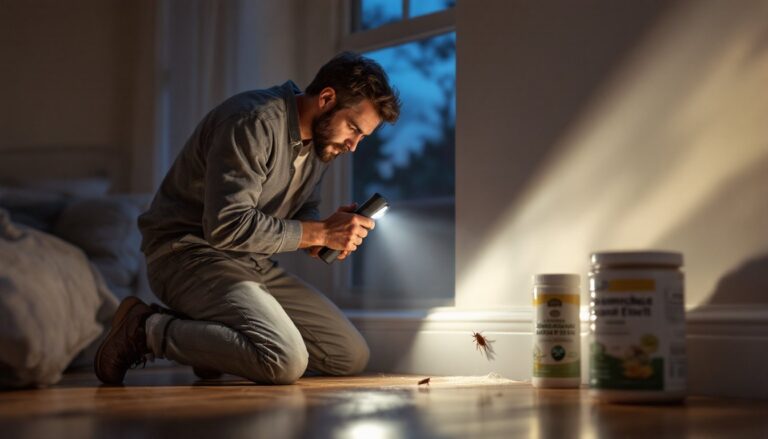
If you’re handy, willing to learn, and dealing with a minor infestation, DIY pest control can save hundreds. Caulk cracks and gaps (costs under $20 for supplies, prevents entry). Seal food in airtight containers. Remove standing water where mosquitoes breed. These cost almost nothing and work for prevention.
For active infestations, over-the-counter treatments exist for most common pests. Boric acid powder (around $8) works on roaches and ants. Diatomaceous earth (food-grade, $12–$20) kills soft-bodied insects. Rodent traps cost $2–$5 each: bait stations run $10–$30. Hardware stores stock these, and online guides walk you through application.
The catch: misapplication wastes money, and severe infestations (like termites or heavy rodent problems) require professional tools and expertise. DIY works best for prevention and light infestations, not established colonies.
Affordable Professional Services
Not all pros are expensive. Local, independent pest control operators often undercut national chains by 20–30% because they have lower overhead. Call five local companies for quotes, you’ll likely find $100–$150 options alongside $400 ones for the same service.
Lower-cost providers might not offer fancy warranties or the fastest response times, but if they’re licensed and insured, they can be solid. Check reviews on Google and the Better Business Bureau. A $140 service from someone with 4.8 stars beats a $100 call from someone with 2.5 stars.
Some regional chains, like Tony’s Pest Control: The, focus on eco-friendly methods that might cost slightly more upfront but reduce chemical exposure and long-term pest resistance. Envirocon Pest Control: Your Eco-Friendly Solution for a Pest-Free Home offers similar sustainable approaches. Compare what’s available in your area, you might find budget options that align with your values.
Groupon and local deal sites occasionally offer pest control discounts, sometimes 30–50% off first services. These work if you vet the company first: cheap shouldn’t mean unlicensed.
Money-Saving Strategies for Pest Control
Bundle services. If you need rodent control and ant treatment, ask about package deals. Many companies discount when you combine issues.
Schedule off-season. Pest calls spike in spring and summer. Booking in fall or winter might save 10–20% because demand is lower. Preventative winter treatment costs less than emergency spring extermination.
Get honest assessments. A professional willing to tell you “you don’t need monthly service, just seal that gap and call us if pests return” is more trustworthy than one pushing premium plans. Do It Yourself Pest resources remind homeowners that prevention often beats treatment.
Handle prevention yourself. Keep gutters clean, trim bushes away from your house, don’t leave pet food outside, and fix moisture issues. These tasks cost little and prevent 60–70% of pest problems. If a pro charges you $300 to treat ants but your foundation is soaked, the moisture is the real culprit.
Ask about guarantees. Some services guarantee results for 30 or 60 days. If pests return, they re-treat free. This shifts risk to them and gives you recourse. It’s worth paying slightly more for this protection.
Use online cost estimators. HomeAdvisor and Angi’s list of pest control services and pricing let you enter your location, pest type, and home size to see local average costs. This benchmarks quotes and prevents overpaying.
When to Splurge vs. When to Save
Some pest situations demand professional spending. Termite infestations require licensed inspectors, specialized equipment, and often permits. A $1,500 termite service now beats a $10,000 structural repair later. Similarly, bed bugs are notoriously hard to DIY, heat treatments and targeted chemicals need professional application. Trying to cheap out here often means re-infestation within weeks.
Crown Pest Control: Your and larger regional providers specialize in these tougher cases. When structural or health risks are involved, their expertise justifies the cost.
Save money on routine ant, roach, or spider control. These are easier to manage with basic treatments and prevention. A quarterly $150 service is reasonable: a monthly $400 plan for common household pests is probably overkill unless you live in a high-risk area. Pest Control Corona: Top and similar local guides help you judge what’s typical for your climate.
Location matters too. Maryland Pest Control: Effective faces different pest pressure than Arizona. Termites and carpenter ants are serious threats in humid regions, making professional prevention worthwhile. Dry climates have different priorities. Your region’s typical pests dictate where savings make sense.
Conclusion
Cheap pest control prices aren’t about finding the lowest bid, they’re about matching your spending to the problem’s severity and your ability to handle it. DIY prevention and light treatment save money and build knowledge. Budget-friendly professionals handle moderate issues without premium pricing. And when pests threaten your home’s structure or your family’s health, investing in licensed, experienced pros is the smartest economy. Get multiple quotes, understand what you’re paying for, and don’t let shame about a pest problem push you into overspending. Smart choices beat cheap ones every time.