
Table of Contents
TogglePests don’t care if your lawn is manicured or your porch is picture-perfect, they’ll find a way in if you let them. Whether you’re dealing with ants marching across your kitchen counter, roaches hiding in cabinets, or termites quietly munching on your foundation, Cumming, Georgia’s warm, humid climate creates ideal breeding grounds for unwanted guests year-round. The good news? Most pest problems are preventable with smart maintenance, and you don’t always need a professional to start. This guide covers the pests you’re likely to encounter, the DIY prevention tactics that actually work, and when it’s time to call in the experts.
Key Takeaways
- Cumming pest control starts with moisture management—fix leaks, improve drainage, and reduce humidity to eliminate the water pests need to survive and breed.
- Common Cumming pests like termites, roaches, fire ants, and mosquitoes thrive in the area’s warm, humid climate; termites cause the most property damage by silently consuming structural wood.
- Seal foundation cracks, secure entry points as small as 1/16 inch, store food in airtight containers, and maintain 12 inches of clearance between landscaping and your home’s exterior.
- Professional pest control services are essential for termite damage, heavy roach infestations, or rodent activity; expect initial inspections at $150–$400 and monthly maintenance at $75–$200.
- Baits outperform sprays for long-term pest control because they spread poison through colonies, while an integrated pest management approach combining prevention, monitoring, and targeted treatment saves money and reduces chemical exposure.
- Year-round vigilance is critical in Cumming’s non-stop pest season—schedule spring inspections, clean gutters in fall, seal gaps in winter, and perform monthly foundation checks to catch problems before they cost thousands in repairs.
Common Pests in Cumming and Why They Invade Homes
Cumming’s subtropical summers and mild winters create a pest paradise. The humidity feeds roaches and termites, while warm months bring an explosion of ants, mosquitoes, and wasps. Understanding what you’re up against is half the battle.
Termites top the list for property damage. Subterranean termites burrow from soil into your home’s wood, targeting sill plates, floor joists, and structural framing that sits close to grade. Unlike carpenter ants, which only tunnel through wood and leave visible debris piles, termites consume the cellulose entirely, making damage harder to spot until it’s serious.
German roaches are the most common indoor roach in Georgia. They’re smaller than American cockroaches, breed faster, and hide in tight spaces like behind appliances, under sinks, and inside wall voids. They thrive in kitchens and bathrooms where moisture and food scraps are abundant.
Fire ants swarm across lawns and patios during warmer months. Unlike honey bees, fire ants are aggressive and their stings leave painful welts that can trigger allergic reactions in some people.
Mosquitoes breed in standing water, even a clogged gutter or bird bath. They’re not just annoying: they carry disease. A single rain can create dozens of breeding spots around your property.
Most pests invade homes hunting for three things: shelter, moisture, and food. A crack in your foundation, a dripping faucet, or crumbs left on counters rolls out the welcome mat. Cumming’s soil also tends toward clay, which retains moisture near house foundations, perfect for termite tunnels and roach harborage.
DIY Pest Prevention Strategies for Homeowners
You can cut your pest risk significantly without spraying chemicals everywhere. Prevention beats treatment every time, and it costs a fraction of what professionals charge.
Start with moisture control. Pests need water as much as food. Check for leaking pipes under sinks, dripping outdoor faucets, and clogged gutters. Replace cracked grading around your foundation so water slopes away from the house, not toward it. Run exhaust fans in bathrooms during and 20 minutes after showers to reduce humidity. A dehumidifier in crawl spaces or basements is cheap pest insurance.
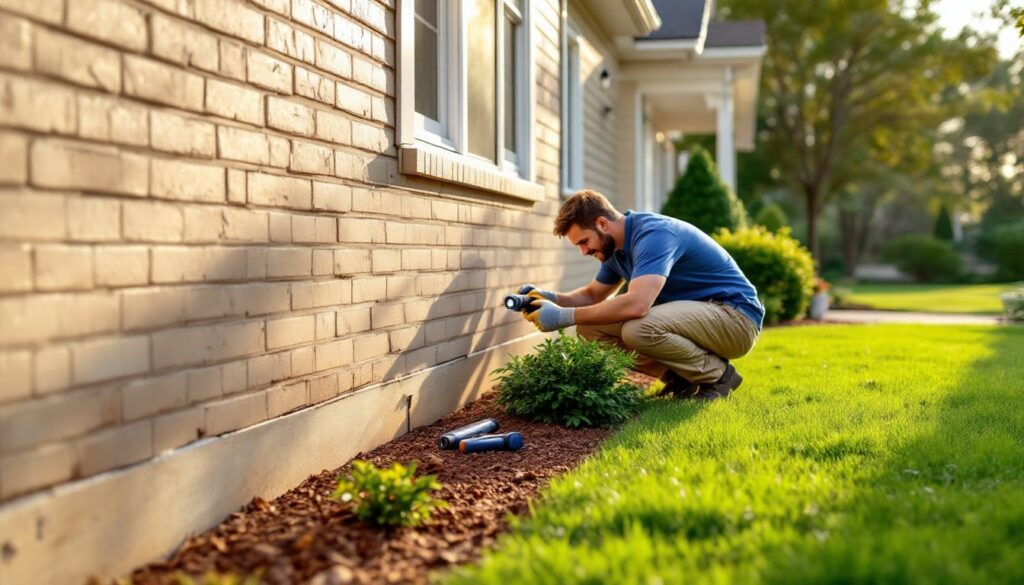
Cut back landscaping touching your house. Mulch, shrubs, and ivy against your siding create bridges for pests to enter. Keep mulch at least 12 inches away from your foundation. Trim tree branches so they don’t touch your roof or gutters.
Secure your trash and outdoor food sources. Store garbage in sealed bins with tight lids, and keep them away from your home’s exterior. Don’t leave pet food bowls out overnight. Remove fallen fruit from fruit trees promptly. Bird feeders attract rodents, if you use them, mount them at least 10 feet from your house and clean spilled seed daily.
Check your screens and weatherstripping. Scan window and door screens for tears, especially around doors you use frequently. Replace worn weatherstripping and door sweeps. Caulk gaps where utilities enter your home, cable, plumbing, and electrical penetrations are common entry routes.
Sealing Entry Points and Eliminating Food Sources
Pests are opportunists. A 1/16-inch gap is plenty for a roach. A 3/8-inch hole invites mice. Walk around your home’s exterior with a flashlight and honestly assess its condition.
Foundation gaps need attention first. Mix a batch of concrete patching compound (available at any big-box store) and fill small cracks where your concrete meets the sill plate. For larger gaps, you may need to inject polyurethane foam sealant, which expands to fill voids. It’s messy but effective. Wear gloves and follow the product instructions, foam keeps expanding even after it dries.
Attic and crawl space vents often lack proper screening or have damaged mesh. Replace damaged screens with 1/8-inch hardware cloth (finer mesh than standard screening) to keep mice out while allowing airflow.
Indoors, focus on the kitchen and bathrooms. Don’t leave food on counters. Store pantry items, flour, sugar, cereal, pet kibble, in airtight plastic or glass containers, not open bags. Roaches can chew through cardboard and plastic bags. Wipe down counters and sweep under appliances nightly. Clean behind and under your refrigerator, stove, and dishwasher, grease and crumbs accumulate there fast.
Take out the trash regularly and keep bins sealed. A single rotting banana or greasy takeout container can attract pests for days. Rinse cans and bottles before recycling so the smell doesn’t linger in your bin.
When to Call a Professional Pest Control Service
Some pest situations demand professional expertise. If you spot termite damage, you need an inspection by a licensed pest control operator, DIY treatments rarely eliminate subterranean termites entirely, and missing even a small colony costs you thousands later.
Termite damage indicators include hollow-sounding wood (tap it with a screwdriver), sagging floors, buckling drywall, or visible mud tubes running from soil to wood. Termite colonies can number in the millions. A single homeowner with a spray bottle can’t reach them all. Crown Pest Control and other licensed services use termiticide barriers and baiting systems that work over months, ensuring complete colony elimination.
Heavy roach infestations also warrant professional help. If you see roaches during the day (normally they hide), or if DIY treatments haven’t reduced sightings after two weeks, call an expert. Professionals apply targeted insecticide baits and growth regulators that prevent roaches from reproducing. They also know where to treat, walls voids, appliance undersides, and drain pipes that homeowners typically miss.
Rodent infestations can spread disease. If you hear scratching in walls or see droppings in multiple areas, contact a professional. Rodent control often requires sealing entry points and strategic trap placement, a hybrid approach homeowners rarely execute perfectly.
Most professional services offer annual contracts, which makes sense in Cumming’s year-round pest season. They’ll inspect regularly, catch new problems early, and retreat if pests return between visits. Cost varies by severity and region, but expect $150–$400 for an initial inspection, then $75–$200 monthly for maintenance visits. Check references and verify licensing through Georgia’s Department of Agriculture.
Treatment Options for Active Infestations
When prevention fails and pests are already here, you’ve got choices. Match your approach to the pest type and infestation severity.
Baits work best for most situations. A roach gel bait (brand names include Advion or Combat Max) is cheap, low-toxicity, and effective. Place small dabs in cabinets, under sinks, and along baseboards where roaches travel. Roaches feed on the bait, return to their nest, and die. Others eat their dead, spreading the poison further. It’s slower than spray, expect 7–10 days for visible reduction, but more effective long-term. Wear nitrile gloves when handling baits.
Ant baits work the same way. Ants carry the poison back to their colony, killing the queen. Fire ant mounds on your lawn respond to broadcast granular baits spread across your yard in late spring and early fall. Reapply after rain.
Roach sprays and foggers kill on contact but provide temporary relief. A can of aerosol insecticide ($8–$15) clears visible roaches from a room, but it doesn’t reach cracks and crevices where they hide. Foggers (bug bombs) flood an entire room but require you to leave for hours, and pests often return quickly. They’re useful as a shock treatment before baits, not as a standalone solution.
Chemical and Natural Treatment Approaches
Modern pest control separates into two camps: conventional synthetic insecticides and natural alternatives. Both work, context determines which fits your situation.
Synthetic options include pyrethroids (like permethrin), neonicotinoids, and organophosphates. They’re EPA-registered, highly effective, and fast-acting. A perimeter spray of permethrin concentrate ($20–$40 per bottle, mixed with water per label) applied around your foundation and foundation band deters roaches, ants, and other crawling insects for 4–6 weeks. Wear long sleeves, gloves, and a respirator mask when mixing and spraying concentrates. Keep pets and kids inside for 2–3 hours after application.
Natural alternatives include neem oil, diatomaceous earth (food-grade only), and essential oils. Food-grade diatomaceous earth is a powder of fossilized algae that damages insects’ exoskeletons when they crawl through it. Dust it in cabinets, under sinks, and along baseboards. It’s nontoxic to humans and pets but works slowly (5–7 days). It’s great for mild infestations or as maintenance between professional treatments. Neem oil works against soft-bodied insects like aphids and mites but is less effective indoors against roaches.
Integrated pest management (IPM) combines prevention, monitoring, and targeted treatment. It’s the philosophy professional services embrace. Remove food sources and seal gaps, set traps to monitor populations, apply the least toxic treatment that solves the problem, and reassess. It costs more upfront in time but saves money and reduces chemical exposure long-term. For Cumming homeowners, IPM is smarter than cycling through sprays hoping something works.
Maintaining a Pest-Free Home Year-Round
Cumming’s climate means pests don’t sleep in winter. Year-round vigilance keeps infestations from taking hold.
Spring and summer require the most effort. After winter rain and warming soil, termites expand their colonies and roaches multiply. Schedule a professional termite inspection in spring (most services offer them free). Refresh weatherstripping and screens before you open windows. Increase yard inspections for fire ant mounds and mosquito breeding sites.
Fall is prevention season. Before leaves pile up, clean gutters thoroughly, clogged gutters hold water and attract pests. Check that downspouts discharge water at least 4–6 feet from your foundation. Seal any gaps around exterior pipes and utilities. Store firewood at least 20 feet from your house and 6 inches off the ground, it attracts termites and beetles.
Winter is sealing season. Pests try to move indoors when it’s cold outside. Inspect door sweeps, weatherstripping, and caulking around windows. Run your bathroom exhaust fans and fix any drips, moisture control is year-round. Keep mulch raked back from your foundation even in winter.
Monthly checks catch problems early. Walk your foundation’s perimeter looking for mud tubes, termite swarmers, or roach activity. Inspect under sinks for leaks. Scan basement walls and crawl space beams for wood damage or insect droppings. An hour a month prevents thousands in repairs. Platforms like Angi let you track pest control invoices and schedule reminders, so you don’t forget routine maintenance.