Table of Contents
ToggleTallahassee’s subtropical climate is picture-perfect for outdoor living, until pests decide they want to live indoors too. The warm, humid weather that makes this Florida capital so appealing also creates ideal breeding grounds for termites, mosquitoes, roaches, and countless other unwanted visitors. Homeowners here face pest pressures that northern neighbors never deal with, and ignoring the problem typically costs far more down the road. Whether you’re handling florida pest control in Tallahassee yourself or calling in professionals, understanding your options and the pests you’re fighting makes all the difference. This guide walks you through the specific challenges Tallahassee presents, the most common household invaders, and proven strategies to keep your home pest-free year-round.
Key Takeaways
- Tallahassee’s warm, humid subtropical climate creates year-round pest pressures—unlike northern regions where winter kills pests, mild winters here mean infestations remain active or rebound quickly in spring.
- Termites are the costliest pest threat in Tallahassee, with undetected damage ranging from $10,000 to $50,000+; annual professional inspections are essential for wood-destroying insects.
- Florida pest control in Tallahassee requires both prevention (sealing entry points, eliminating standing water, removing harborage) and professional intervention for structural threats like termites and carpenter ants.
- Mosquitoes and ants typically respond to DIY solutions in early stages, but persistent or widespread infestations—especially fire ants or carpenter ant colonies—benefit from licensed professional treatment.
- Professional pest control costs $100–$150 per quarterly visit or $400–$1,200 annually for termite protection, making prevention strategies a cost-effective complement to professional services.
- Regular quarterly monitoring and preventive maintenance—inspecting for mud tubes, maintaining clear gutters, and keeping landscaping trimmed away from foundations—keeps pests from establishing before they cause damage.
Why Tallahassee’s Climate Creates Pest Control Challenges
Tallahassee sits in North Florida’s humid subtropical zone, where temperatures rarely dip below freezing and moisture hangs in the air most of the year. This environment is basically a pest buffet. Unlike colder regions where winter kills off many insects, Tallahassee’s mild winters mean pest populations stay active or go dormant only briefly before rebounding in spring.
The combination of warmth, moisture, and the region’s dense tree canopy creates perfect conditions for wood-destroying insects, water-loving pests, and insects that thrive in high humidity. Spring typically triggers an explosion in pest activity as temperatures climb into the 70s and 80s. Summer brings another wave, with heat and afternoon thunderstorms creating standing water that mosquitoes adore. Even fall and winter don’t eliminate the threat, many pests simply move into homes seeking shelter and stable indoor temperatures.
Homeowners in Tallahassee can’t rely on a harsh freeze to reset the pest situation like northern dwellers can. This means florida pest control lake city residents and Tallahassee homeowners need year-round vigilance, not just seasonal spraying. Preventive measures and regular monitoring become non-negotiable if you want to stay ahead of infestations.
Common Pests Affecting Tallahassee Homes
Termites and Wood-Destroying Insects
Termites are the heavyweight champion of Tallahassee pest problems. The region’s humidity and abundance of trees make it termite heaven. Subterranean termites, the most destructive species in Florida, live in soil and build mud tubes to reach wood in your home. A single colony can contain hundreds of thousands of workers, and they eat silently behind walls, under floors, and in attics for months or even years before you notice damage.
Drywood termites also infest homes here, and unlike their subterranean cousins, they don’t need ground contact. They colonize directly in wood framing, trim, and furniture. Both types cause structural damage that compounds over time: undetected termite damage can cost $10,000 to $50,000+ in repairs. Carpenter ants are another wood threat, though they don’t eat wood, they hollow it out to nest, which weakens structural integrity just the same.
Regular termite inspections (annual, minimum) are essential. Look for mud tubes on foundation walls, bubbling paint, and soft, crumbling wood. If you spot these signs, call a professional immediately rather than guessing at treatment.
Mosquitoes, Ants, and Seasonal Invaders
Mosquitoes aren’t just annoying: they’re a health concern in Tallahassee, where they can carry diseases like Zika and West Nile virus. They breed in even tiny amounts of standing water, a clogged gutter, a birdbath, or a flower pot saucer becomes a nursery. Eliminate standing water around your property, and you’ll reduce the population significantly. Keep gutters clean, fix leaky outdoor faucets, and store buckets upside down.
Florida’s multiple ant species range from nuisance (carpenter ants, thief ants) to genuinely destructive (fire ants, carpenter ants). Some nest in walls: others farm aphids on plants or invade food stores. Argentine ants have invaded much of Florida and are particularly persistent, they form super-colonies and are nearly impossible to eliminate without professional help. Ants typically become a serious indoor problem in late spring and summer, when nesting sites dry out or colonies expand.
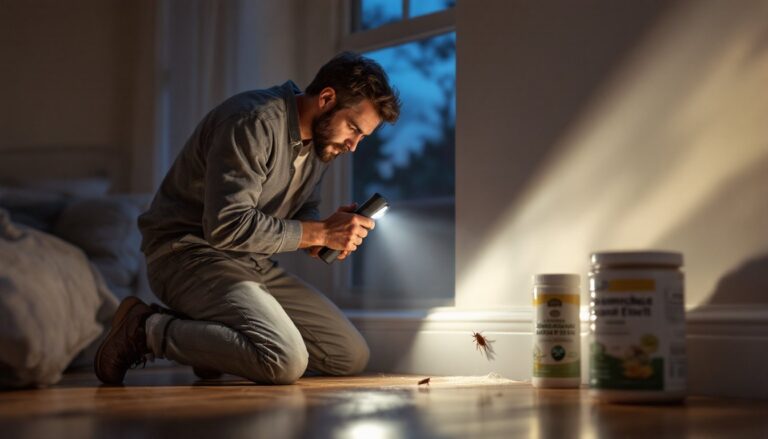
Other seasonal invaders include roaches, silverfish, and occasional rodent problems in fall and winter. Each requires different approaches, and treatment effectiveness depends heavily on addressing root causes (standing water, food sources, entry points) alongside direct pest control.
Professional Pest Control vs. DIY Solutions for Homeowners
Here’s the honest truth: some pest problems demand professional help, while others respond well to DIY tactics. Termites almost always require professionals. The infrastructure of an infestation, hidden locations, and the need for proper liquid barriers or bait systems make this a job for licensed pest control operators. Most states, including Florida, legally require licensed applicators for structural treatments.
Mosquito and ant control sit in the middle. Small ant invasions and mosquito breeding-ground cleanup (gutters, standing water) are absolutely DIY-able. Perimeter spraying for ants or low-level mosquito reduction using products like permethrin or imidacloprid is feasible for homeowners willing to follow label directions carefully. But, widespread infestations, fire ants, or persistent carpenter ant colonies usually benefit from professional treatment because technicians have access to stronger formulations and understand local pest behavior.
Roaches and rodents can start as DIY problems using traps, baits, and sealants, but heavy infestations require professional intervention. The difference between handling a few roaches and dealing with a hidden population is the difference between a $50 solution and a $500+ one.
Cost varies widely. Basic quarterly pest control runs $100–$150 per visit in Tallahassee, while annual termite protection plans range from $400–$1,200 depending on home size and treatment type. DIY approaches cost $20–$100 per application but demand your time and won’t solve embedded infestations. When weighing options, consider whether the pest is structural (termites, carpenter ants, hire pros) or behavioral (ants in the kitchen, mosquitoes in the yard, try DIY first).
Services like Crown Pest Control: Your and Tony’s Pest Control: The serve the Tallahassee area and offer different approaches. Research reviews and verify licensing (Florida requires the FDACS license) before hiring anyone.
Essential Prevention Strategies for Your Home
Stopping pests before they establish themselves saves money and headaches. Prevention isn’t glamorous, but it works.
Seal entry points. Inspect your home’s exterior for gaps around pipes, foundation cracks, window frames, and door seals. Caulk gaps larger than 1/8 inch with paintable silicone caulk or sealant. Weather stripping on doors keeps not just cold air out but also bugs. This is foundational: no amount of spraying fixes a home with open doors to pests.
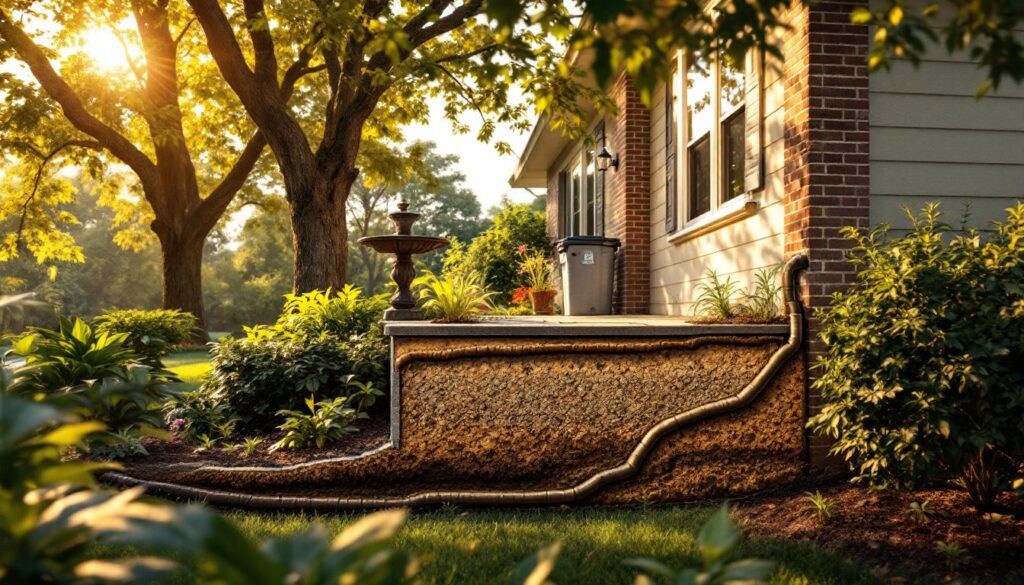
Eliminate standing water. Check downspouts, gutters, and grading around your foundation. Water should slope away from the house. Empty plant saucers, fix leaky faucets, and keep gutters clear. For mosquitoes especially, even a few ounces of standing water sustained for a week creates breeding habitat.
Reduce food and harborage. Store pantry items in airtight containers. Don’t leave pet food out overnight. Keep trash in sealed bins and take it out regularly. Clean up fallen fruit from trees. Clutter, stacked boxes, piles of wood, dense landscaping right against your house, provides hiding spots. Remove deadwood and keep landscaping trimmed back 12–18 inches from your foundation.
Use screens and doors wisely. Inspect screens for tears and repair them. Keep doors closed, especially at dusk when mosquitoes are active. Install threshold sweeps under exterior doors.
Monitor regularly. Walk around your home quarterly looking for mud tubes, droppings, dead insects, or damage. Catch problems early. For detailed pest control strategies, consult resources from trusted sources, and don’t hesitate to call a professional if you spot signs of infestation. Regular Pest Control Archives monitoring helps you stay ahead.
External resources like Good Housekeeping and The Spruce offer supplemental home safety and maintenance guides that support pest prevention. Also, top-rated rodent pest control services in Tallahassee are available if you need professional rodent removal.
Conclusion
Pest control in Tallahassee isn’t optional, it’s a year-round responsibility that every homeowner here needs to take seriously. The subtropical climate guarantees pests will keep trying to invade your home, but you’re not helpless. Start with prevention: seal entry points, eliminate standing water, and remove harborage. Handle small problems with DIY tactics when appropriate, but don’t hesitate to call licensed professionals for structural threats like termites. With consistent effort and the right approach, you can keep your Tallahassee home pest-free and protected.