Table of Contents
ToggleMiami’s tropical climate is paradise for vacations, but it’s also a five-star resort for pests. Year-round warmth, humidity, and rain create ideal breeding grounds for termites, cockroaches, mosquitoes, and rodents that thrive nowhere else in the continental US. If you’re a Miami homeowner, pest control isn’t optional, it’s essential maintenance. This guide walks you through why Miami’s pests are so relentless, how to spot them early, and what works to keep them out. Whether you’re handling prevention yourself or calling in professionals, you’ll know exactly what to expect and how much it costs.
Key Takeaways
- Miami’s year-round tropical climate creates a five-star resort for pests like termites, cockroaches, mosquitoes, and rodents that thrive nowhere else in the continental US.
- Seal cracks and gaps, manage moisture, trim landscaping, and eliminate standing water to create a hostile environment for pests without relying on chemicals.
- Termites are the biggest structural threat in Miami; subterranean termites can cause thousands in damage before you notice them, making professional inspection essential.
- Mosquitoes breed in standing water the size of a bottle cap and carry diseases like Zika and dengue fever year-round, requiring consistent prevention.
- Professional Miami pest control typically costs $200–$600 for initial treatment with quarterly follow-ups at $100–$300, making targeted treatments more affordable than full-home spraying.
- A layered approach combining DIY prevention with quarterly professional pest control plans and eco-friendly options provides the most cost-effective and efficient Miami pest control solution.
Why Miami’s Climate Creates Unique Pest Problems
Miami’s subtropical climate is basically a pest incubator. Temperatures rarely drop below freezing, which means insects and rodents don’t face winter die-offs like they do in northern states. The combination of heat, moisture, and year-round food availability (fallen fruit, landscaping, garbage) lets pest populations explode.
Humidity levels consistently run 70–90%, perfect for cockroaches, termites, and mosquitoes. Swamps and waterways nearby mean standing water collects easily in gutters, potted plants, and birdbaths, ideal breeding sites for mosquitoes. Termites, particularly the destructive subterranean termite, thrive in warm, moist soil, and Miami’s sandy foundation makes them easy to access and establish colonies.
Rainy season (May through October) amplifies the problem. Water intrusion into crawl spaces and foundations creates moisture that attracts termites and carpenter ants. Unlike colder climates where pest pressure eases in winter, Miami homeowners face constant threat.
Common Household Pests You’ll Encounter in Miami
Termites, Roaches, and Mosquitoes
Termites are the biggest structural threat. Subterranean termites live in soil and tunnel into wood, eating away at framing, joists, and siding from the inside. By the time you notice damage, thousands of dollars in repairs may be needed. Drywood termites, less common in Miami, nest directly in wood and leave tiny fecal pellets as a telltale sign.
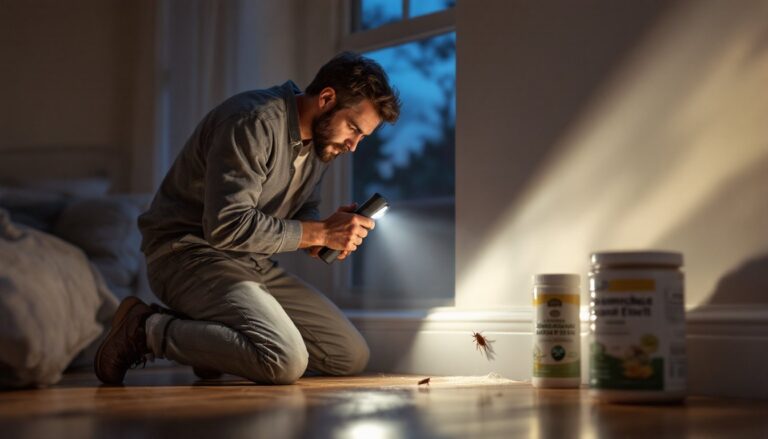
Cockroaches are ubiquitous in Miami. German roaches (the most common indoor species) hide in cracks, appliances, and walls. They reproduce rapidly and trigger allergies. American roaches, larger and reddish-brown, prefer damp areas like basements and crawl spaces. Both spread bacteria and contaminate food.
Mosquitoes aren’t just a summer annoyance, they’re year-round in Miami. The Asian tiger mosquito and salt-marsh mosquito carry diseases like Zika and dengue fever. Standing water the size of a bottle cap can breed hundreds of larvae. Floodwater mosquitoes emerge after heavy rains, meaning seasonal spikes coincide with wet season.
Other common invaders include fire ants (painful bites), rodents (rats and mice that chew wiring and contaminate insulation), and palmetto bugs (large roaches attracted to lights at night). Each requires different prevention tactics.
DIY Pest Prevention Strategies for Homeowners
Prevention is always cheaper than treatment. Start by eliminating what pests need: food, water, and shelter.
Seal entry points. Walk your home’s exterior. Check foundation cracks, gaps around pipes, and spaces where siding meets soffit. Use caulk or expandable foam to seal openings larger than 1/4 inch. Pay special attention to the gap where the foundation meets the sill plate, a termite superhighway. Don’t forget gaps around door sweeps and window frames.
Fix moisture problems. Grade soil away from the foundation so water doesn’t pool. Install downspout extensions that carry water at least 4 feet from the house. Clean gutters monthly: debris traps water and attracts pests. Install a dehumidifier in crawl spaces if moisture reads above 60% relative humidity. Dry conditions make your home uninviting to termites and roaches.
Manage landscaping. Trim tree branches 6–8 feet away from the roof to eliminate pest highways. Remove dead wood and fallen fruit immediately. Don’t mulch directly against the foundation: keep it 6 inches away. Avoid dense plantings that trap moisture and provide shelter.
Practice food hygiene. Store dry goods in airtight containers, not cardboard boxes. Don’t leave pet food out overnight. Take trash out regularly and use sealed bins. Roaches and ants follow crumbs like a scent trail.
Manage standing water. Empty plant saucers daily. Fix leaky outdoor faucets. Keep birdbaths clean and change water every 2–3 days. Check AC drain lines and ensure they’re flowing freely. One overlooked saucer can produce thousands of mosquitoes in a week.
These habits don’t cost much, mostly just attention. But they’re the foundation of any pest control strategy, DIY or professional.
When to Call a Professional Pest Control Service
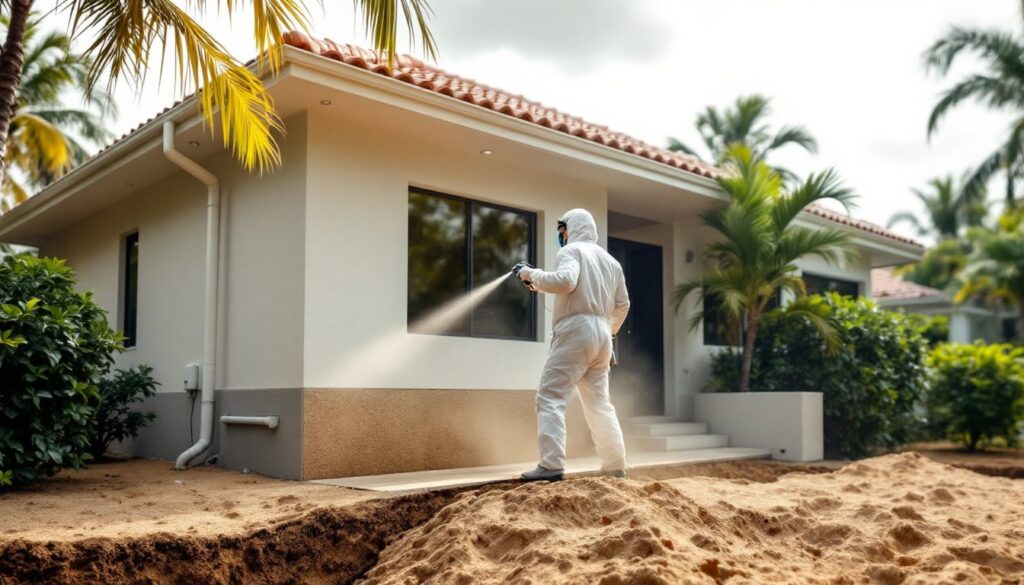
Some jobs require a licensed pro. If you spot termites, call immediately. Termite damage accelerates fast, and amateur treatment often misses the colony. A professional inspects the entire structure, uses targeted pesticides (usually injected into soil), and monitors the home for months afterward.
If roaches persist even though cleaning and sealing, pros use crack-and-crevice treatments and may apply residual sprays in walls, work that requires certifications and equipment homeowners shouldn’t handle. Mosquito treatments often involve fogging or yard applications of pyrethroid-based insecticides, which must be applied at the right temperature and humidity for effectiveness.
Fire ants, rodent infestations, and bed bugs are also best left to professionals. The expertise, tools, and liability insurance they carry justify the cost. Tony’s Pest Control: The offers eco-friendly options if you prefer reduced-risk pesticides, and Crown Pest Control: Your specializes in comprehensive home inspections and customized treatment plans.
Most professional services in Miami charge $200–$600 for an initial inspection and treatment, with quarterly follow-ups running $100–$300. According to HomeAdvisor, costs vary based on home size, pest type, and treatment method. Some offer warranties: if pests return within 30–60 days, they retreat free.
Warning signs it’s time to call: multiple roaches in a single night, termite mud tubes on foundation walls, or persistent mosquitoes even though prevention. Don’t wait until the problem is severe.
Affordable Pest Control Solutions That Actually Work
Budget doesn’t mean no protection. A layered approach combines DIY prevention with smart professional choices.
Pest control plans with frequency options. Many Miami services offer quarterly treatments year-round (the most common plan) or seasonal contracts (May–November for mosquitoes, for example). Quarterly service costs less per visit than one-off treatments. Ask about discounts for signing contracts.
Targeted treatments over full spraying. Full-home perimeter sprays are expensive and unnecessary. Pros can focus on problem areas: foundation injection for termites, kitchen baseboards for roaches, and yard fogging for mosquitoes. This precision cuts costs and reduces chemical use.
DIY monitoring paired with professional treatment. Set up cheap sticky traps and inspection stations yourself. Review them monthly and report findings to your pest control pro. This data helps them target treatments, which saves time and money.
Eco-friendly options. Envirocon Pest Control: Your and other Miami services use reduced-risk pesticides or baiting systems (less messy, slower but effective). These often cost slightly more upfront but mean fewer chemical residues and pets don’t need to leave home during treatment. Over time, they’re often cheaper because they’re more efficient.
Prevention as investment. The $100–$300 annually you spend sealing cracks, managing water, and trimming landscaping prevents the $5,000+ termite repair bill. Bob Vila recommends budgeting 1–2% of your home’s value annually for pest prevention and maintenance, cheap insurance.
Use local resources. Check Angi’s pest control specialists in Miami and read reviews before hiring. Local pros know Miami’s specific pests and seasonal patterns better than national chains. They’re also more flexible on pricing and service customization. Get three quotes and compare not just price but what’s included: inspection type, treatment method, warranty, and follow-up frequency.
Conclusion
Miami pest control is non-negotiable for homeowners. The climate favors pests year-round, but a combination of prevention, monitoring, and targeted professional treatment keeps infestations manageable. Start with sealing leaks, managing moisture, and maintaining your yard. Know your common pests and their weak points. When DIY falls short, hire a licensed pro, it’s an investment in your home’s structure and your family’s health. Stay vigilant, especially during rainy season, and you’ll keep your Miami home pest-free.