
Table of Contents
TogglePests don’t wait for a convenient time to invade your home. Whether it’s ants marching across your kitchen counter, rodents scratching in the walls, or cockroaches appearing when you flip the light switch, unwanted critters disrupt your peace and threaten your family’s health. The good news? You don’t have to live with them. Between DIY solutions, natural treatments, and professional services, homeowners now have more effective options than ever before. This guide walks you through simply the best pest control strategies for 2026, helping you choose the right approach for your situation and reclaim your space.
Key Takeaways
- Simply the best pest control combines three strategies: preventative measures, DIY treatments, and professional interventions tailored to your specific infestation type and severity.
- Sealing entry points, managing moisture, removing food sources, and scheduling quarterly inspections form the foundation of year-round pest prevention before problems start.
- Professional pest control services ($150–$500 per visit) offer greater effectiveness for structural pests like termites and bed bugs, plus warranties and peace of mind that DIY solutions often lack.
- Natural treatments like diatomaceous earth and essential oils provide safer options for homes with pets and children, though they require more frequent reapplication than chemical alternatives.
- Early pest detection caught in the first week is significantly cheaper and easier to resolve than infestations discovered months later, making regular inspections essential.
- An annual professional inspection (averaging $300–$600 annually) can catch hidden issues and establish a maintenance pattern that prevents costly recurring problems long-term.
Understanding Your Pest Control Options
Pest control isn’t one-size-fits-all. Your approach depends on the type of pest, the severity of the infestation, your home’s construction, and your tolerance for chemicals. Modern pest control breaks down into three main categories: preventative measures, DIY treatments, and professional interventions.
Preventative control, sealing cracks, removing food sources, managing moisture, stops many pests before they settle in. DIY treatments range from sprays and baits to traps and natural alternatives like diatomaceous earth or essential oils. Professional services bring experience, equipment, and often stronger products that homeowners can’t access, plus ongoing monitoring and warranties.
Understanding what you’re up against helps you make a smarter decision. A few ants on the counter are different from a colony nesting in your walls. A single cockroach sighting demands immediate action, while a few spiders in the garage may not warrant intervention at all.
Common Household Pests and Why Control Matters
The most common household pests fall into a few troublemakers: ants, cockroaches, rodents (mice and rats), termites, bed bugs, and spiders. Each causes different problems.
Ants contaminate food and can farm aphids in your garden: some species (carpenter ants) damage wood. Cockroaches carry bacteria and trigger allergies and asthma, one sighting often means many more hiding out. Rodents chew insulation and wiring (fire hazard), contaminate surfaces with droppings, and spread disease. Termites silently destroy structural wood: undetected infestations cost thousands. Bed bugs feed on blood and disrupt sleep: they’re notoriously hard to eliminate without professional heat treatments. Spiders are usually beneficial, but some people react badly to them.
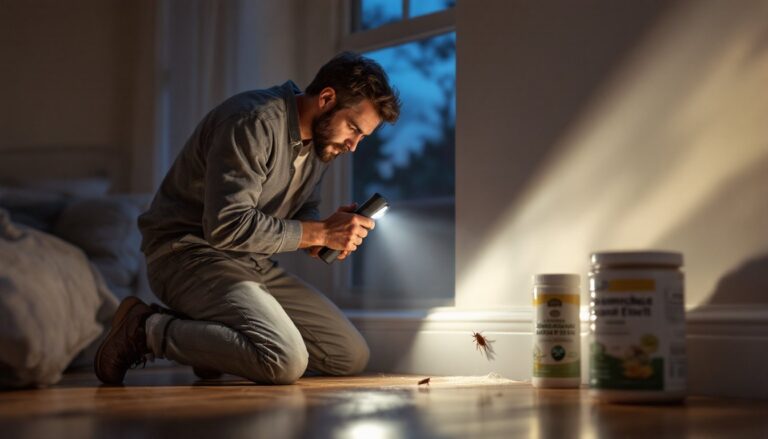
Early detection matters. A pest problem caught in week one is easier and cheaper to handle than one discovered six months later. Tony’s Pest Control: The offers reliable approaches to these challenges.
DIY vs. Professional Pest Control Solutions
The DIY route works well for minor infestations and preventative maintenance. You’ll spend less upfront and can address problems on your schedule. But, DIY has limits. Many hardware-store products are weaker than professional-grade treatments, and misapplication wastes money and time. Structural pests like termites and bed bugs often need professional intervention, heat treatments for bed bugs or sub-slab injections for termites require equipment and expertise most homeowners lack.
Professional pest control services inspect thoroughly, identify entry points, and use integrated pest management (IPM) strategies tailored to your home. They apply treatments safely, offer warranties, and provide follow-ups. Cost is higher upfront (typically $150–$500 per visit, varying by region and pest type), but the return on investment is solid when you factor in peace of mind and property protection. Maryland Pest Control: Effective provides excellent regional examples.
Natural and Chemical Treatment Methods
Natural options appeal to families with pets, kids, and chemical sensitivities. Diatomaceous earth (food-grade) is a powder that damages insect exoskeletons without harming mammals. Essential oils like peppermint and clove deter insects but require frequent reapplication. Borax-based baits work against roaches and ants but must be kept away from children and pets. These methods are safer but often slower and less potent than chemical alternatives.
Chemical treatments include pyrethroids (synthetic insecticides), neonicotinoids, and organophosphates. They act faster and last longer, but require proper application, ventilation, and safety precautions. Never mix chemicals, it creates toxic fumes. Always wear gloves, eye protection, and a mask when applying sprays. If you have young children or pets, discuss chemical products with a pediatrician or veterinarian first. Products like baits and gel stations allow targeted application with minimal exposure.
Creating a Year-Round Pest Prevention Plan
The best pest control doesn’t always require treatment, it requires prevention. A year-round plan stops problems before they start.
Seal entry points. Caulk cracks around foundation, siding, and trim. Screen vents and chimneys. Weatherstrip doors and windows. Use 1/4-inch mesh or smaller for rodent-proof sealing: insects are smaller, so tighter gaps matter more. Inspect these seals every spring and fall.
Manage moisture. Fix leaky pipes, ensure gutters drain away from the house, and keep attics and crawl spaces ventilated. Many pests need moisture to thrive, eliminating it makes your home less attractive.
Remove food sources. Wipe counters daily, don’t leave pet food out overnight, and store pantry items in airtight containers. Take trash out regularly and keep compost bins sealed and away from the house. Trim vegetation back from walls: overgrown branches create highways for insects and rodents.
Set perimeter defenses. In spring, apply a perimeter pesticide (if you’re comfortable with chemicals) around the foundation’s exterior. This creates a barrier many pests won’t cross. Crown Pest Control: Your explains layered approaches well.
Schedule inspections. Check basement, attic, and crawl spaces quarterly. Look for droppings, damage, or entry points. Catching a problem early saves stress and money.
Maintaining a Pest-Free Home Long-Term
Once you’ve resolved an infestation, maintenance prevents a comeback. This isn’t complicated, but consistency matters.
Keep regular inspections on your calendar, quarterly is standard. Clean under and behind appliances, in closets, and along baseboards where pests hide. Vacuum regularly, especially under furniture, to remove food crumbs and shed insect exoskeletons (which attract other pests). Declutter storage areas: stacks of cardboard, old clothes, and newspaper are pest havens.
Rotate traps and baits seasonally. Spring and fall are peak pest activity months when they seek shelter and nesting sites. Summer brings flying insects and outdoor migration indoors. Winter is quieter but not pest-free, rodents especially want to nest inside when it’s cold.
Document treatments. If you use a professional service, keep records of what was applied, when, and where. This helps you spot patterns and inform future decisions. If selling your home, pest treatment history is valuable documentation.
Consider an annual professional inspection even if you don’t hire ongoing service. Many pest companies offer affordable one-time evaluations and can catch issues your eyes might miss. According to resources like HomeAdvisor, the average homeowner spends $300–$600 annually on pest prevention and control. Envirocon Pest Control: Your Eco-Friendly Solution for a Pest-Free Home highlights sustainable long-term strategies.
If problems recur, don’t assume you’re doing something wrong. Some homes are naturally attractive to certain pests (proximity to water, landscaping, age of structure). Adjust your approach, increase monitoring, or bring in a professional. Persistent issues sometimes need professional-strength solutions.
Conclusion
Simply the best pest control combines prevention, early detection, and the right response. Start by sealing entry points, removing attractants, and inspecting regularly. When pests appear, honestly assess whether you can handle it yourself or if professional help makes sense. Natural and chemical methods both have a place: choose based on your comfort level and the pest type. With a year-round plan in place, you’ll spend less on treatments and sleep better knowing your home is protected. The goal isn’t perfection, it’s a livable space where pests don’t control your environment.